
Qasr AlHokm Metro Station
Functional and Fire Safety Design
Geotechnical Engineering Design
Structural Engineering Design
MEP Systems Design
Technical Plant Spaces Design
Parking Facility Design
Green Building Rating System: LEED 2009 Gold Certification
Executing Consortium: ArRiyadh New Mobility (ANM) led by Webuild S.p.A.
Images: Iwan Baan
Drone operation: Glider Aerial
Video editing and post-production: Oioioi
Sustainable urban living in the city of Riyadh
The Qasr Al Hokm Metro Station in Riyadh is connecting two of the main lines in the Saudi capital’s brand-new metro network. In addition to making greener transport available to everyone, it links key districts, helps reduce traffic congestion, and contributes to improving the air quality in the rapidly growing city.
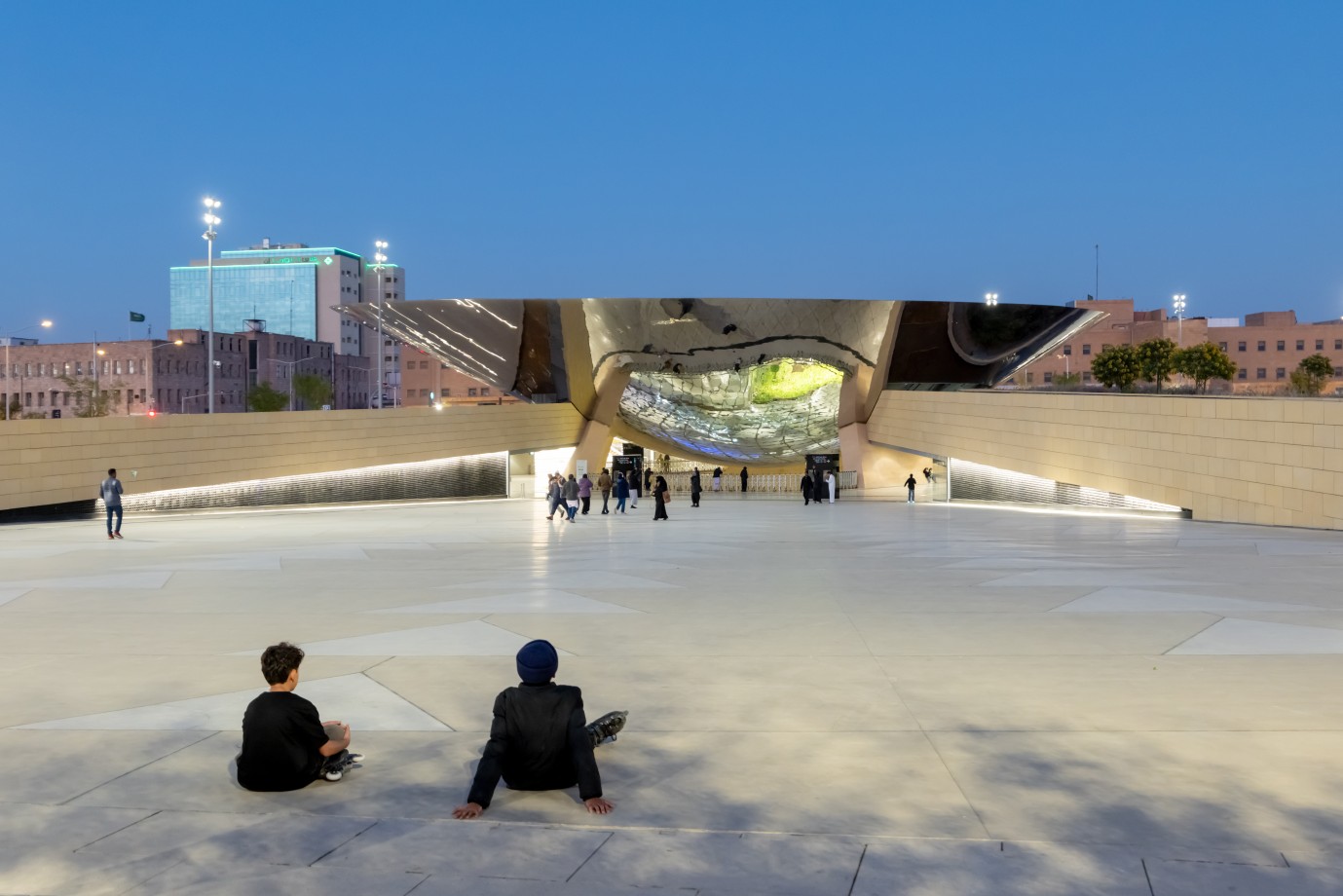
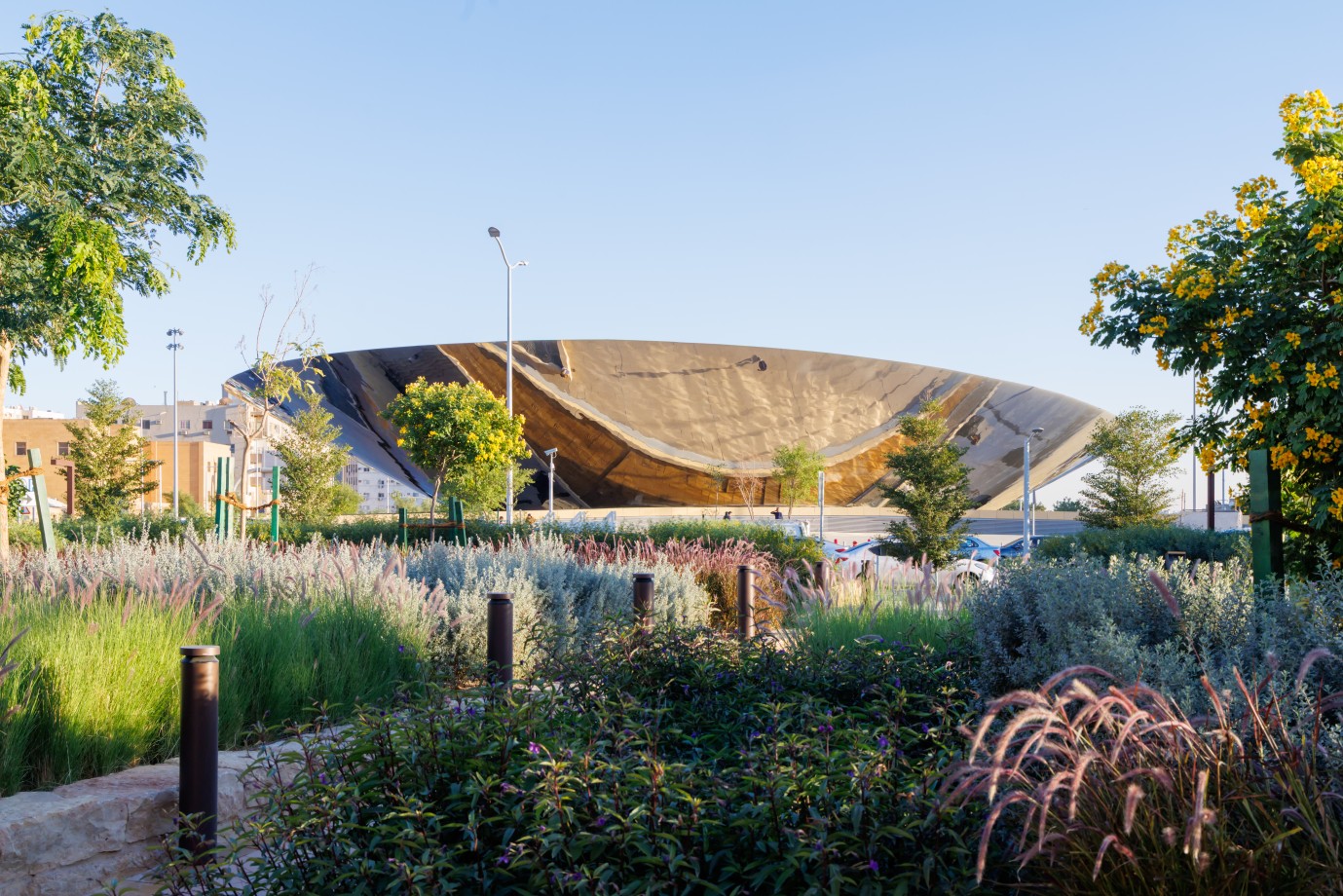
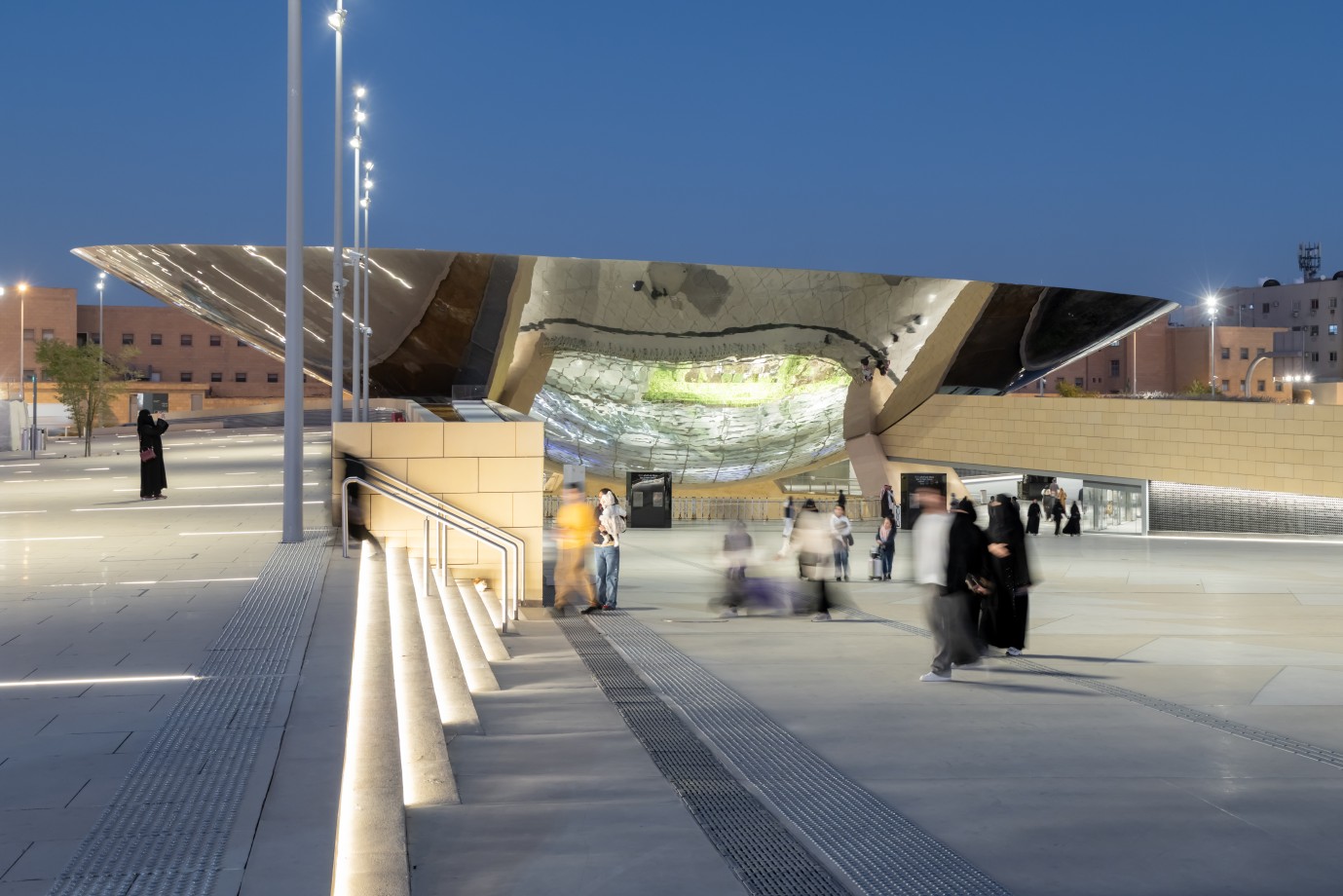
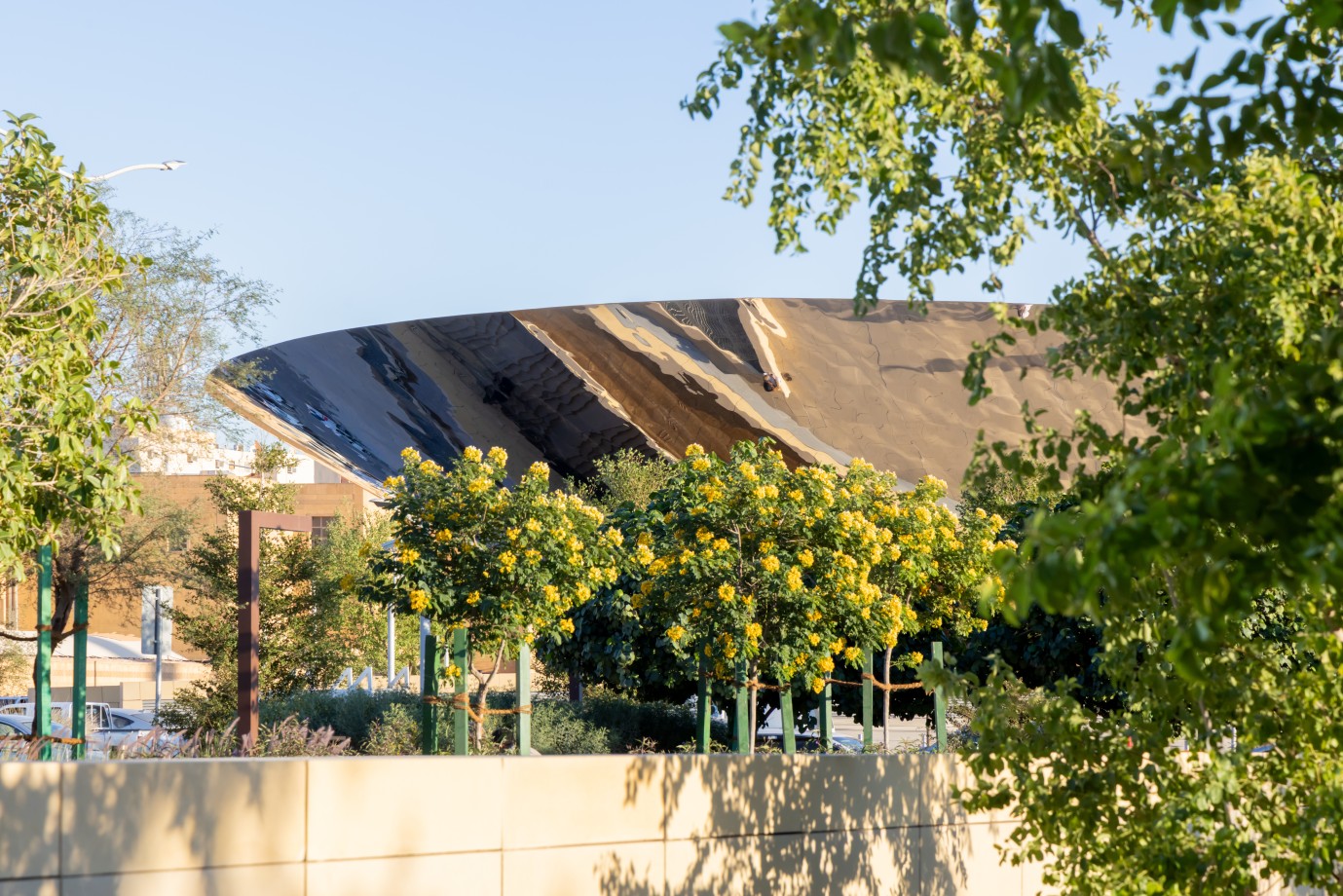
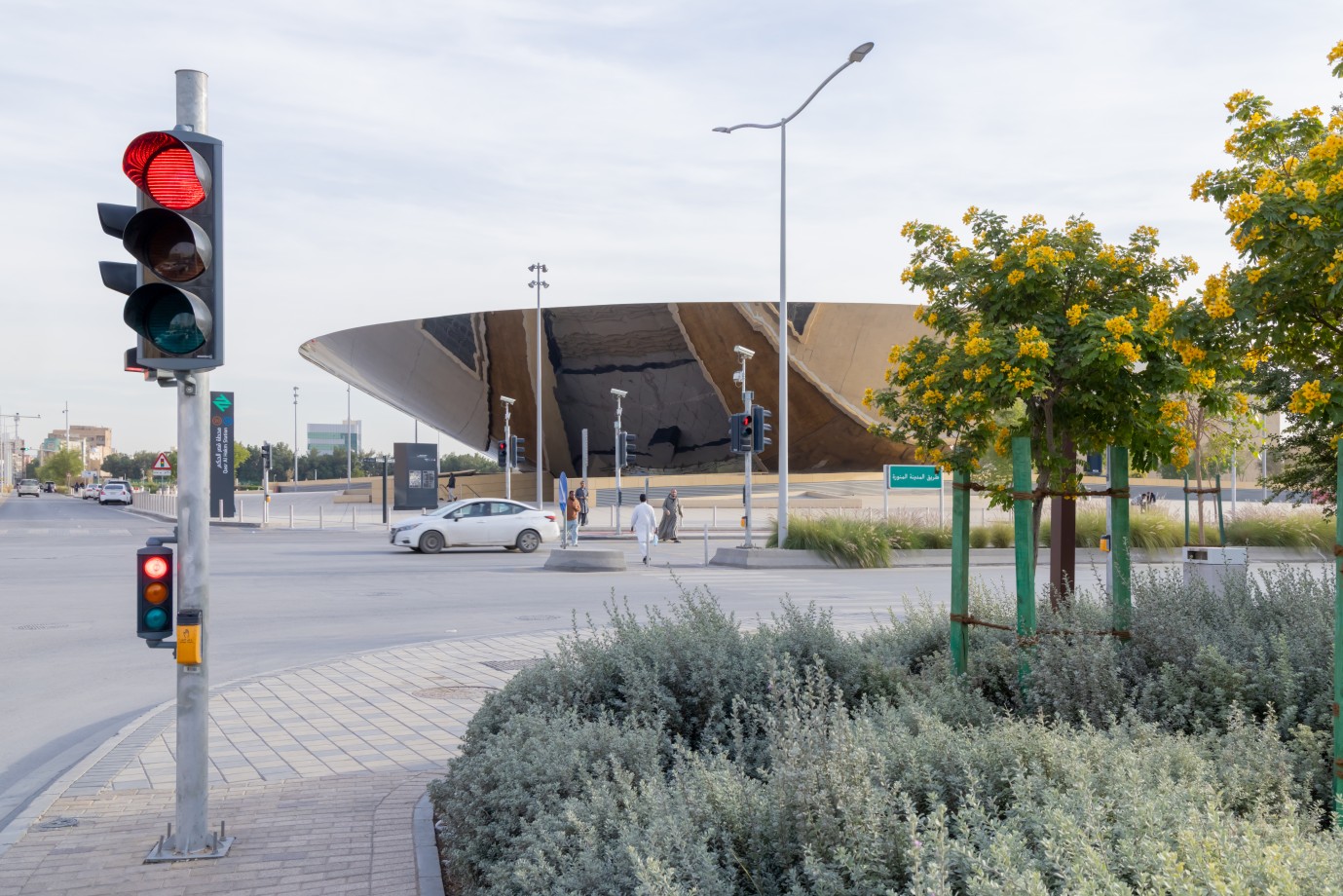
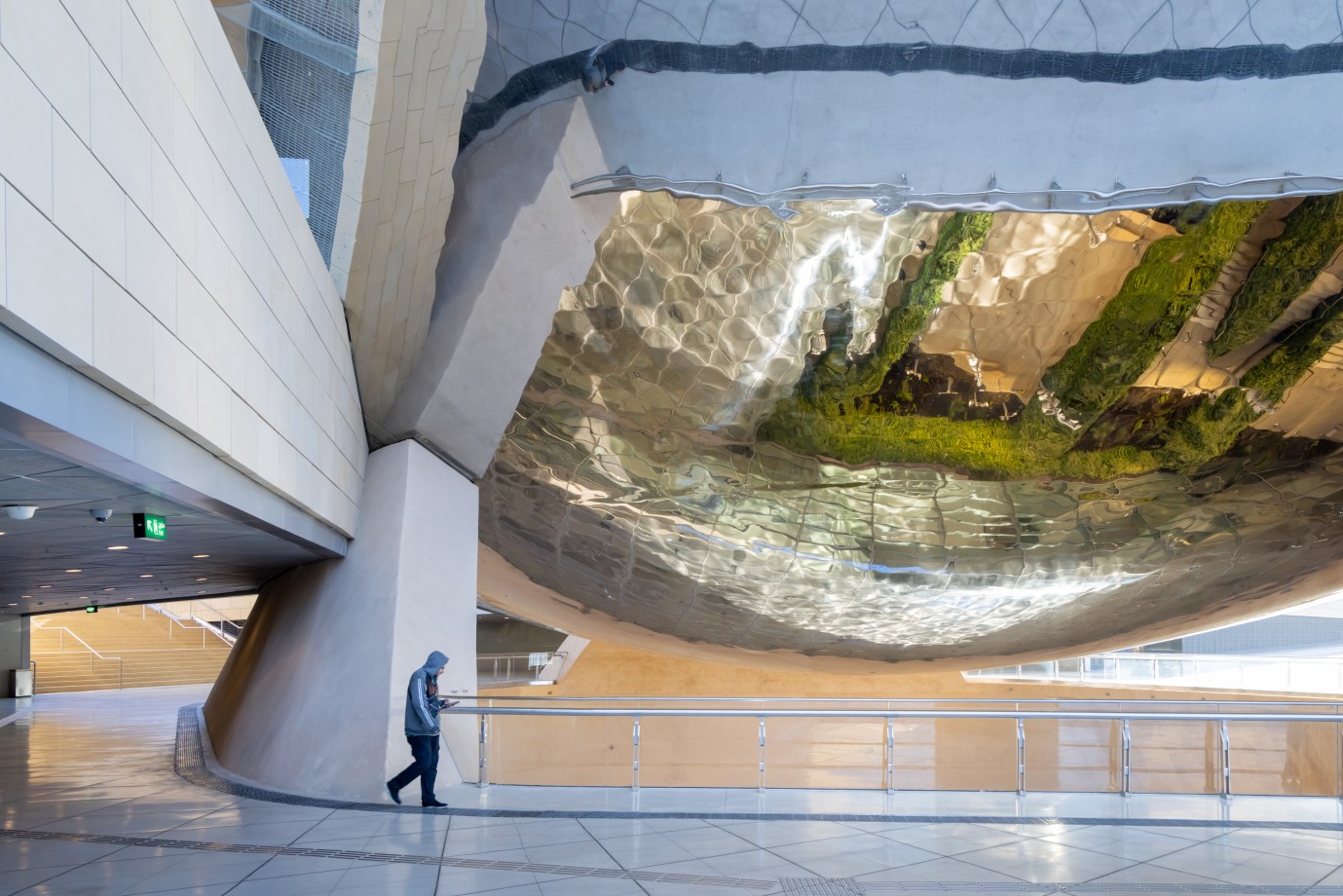
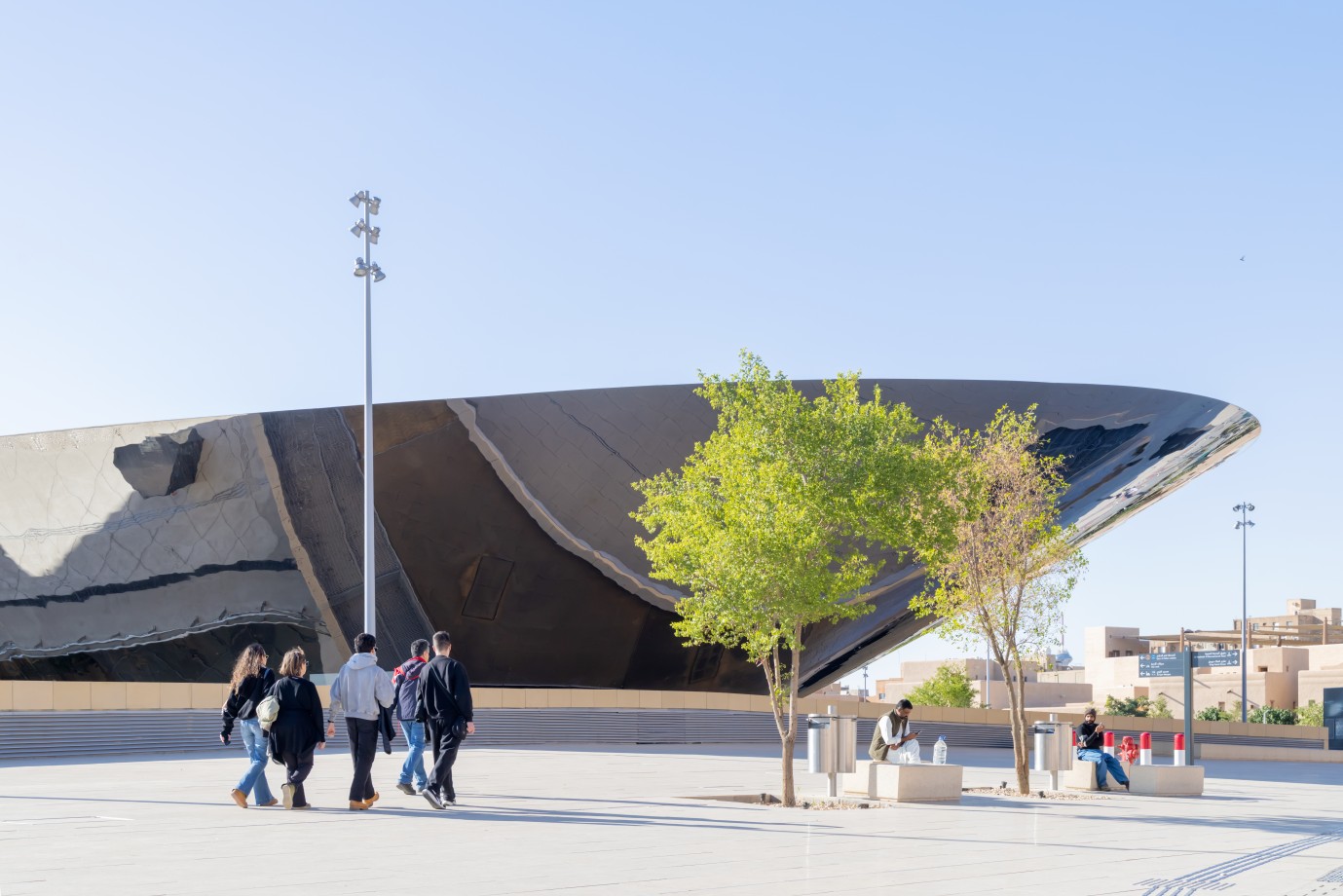
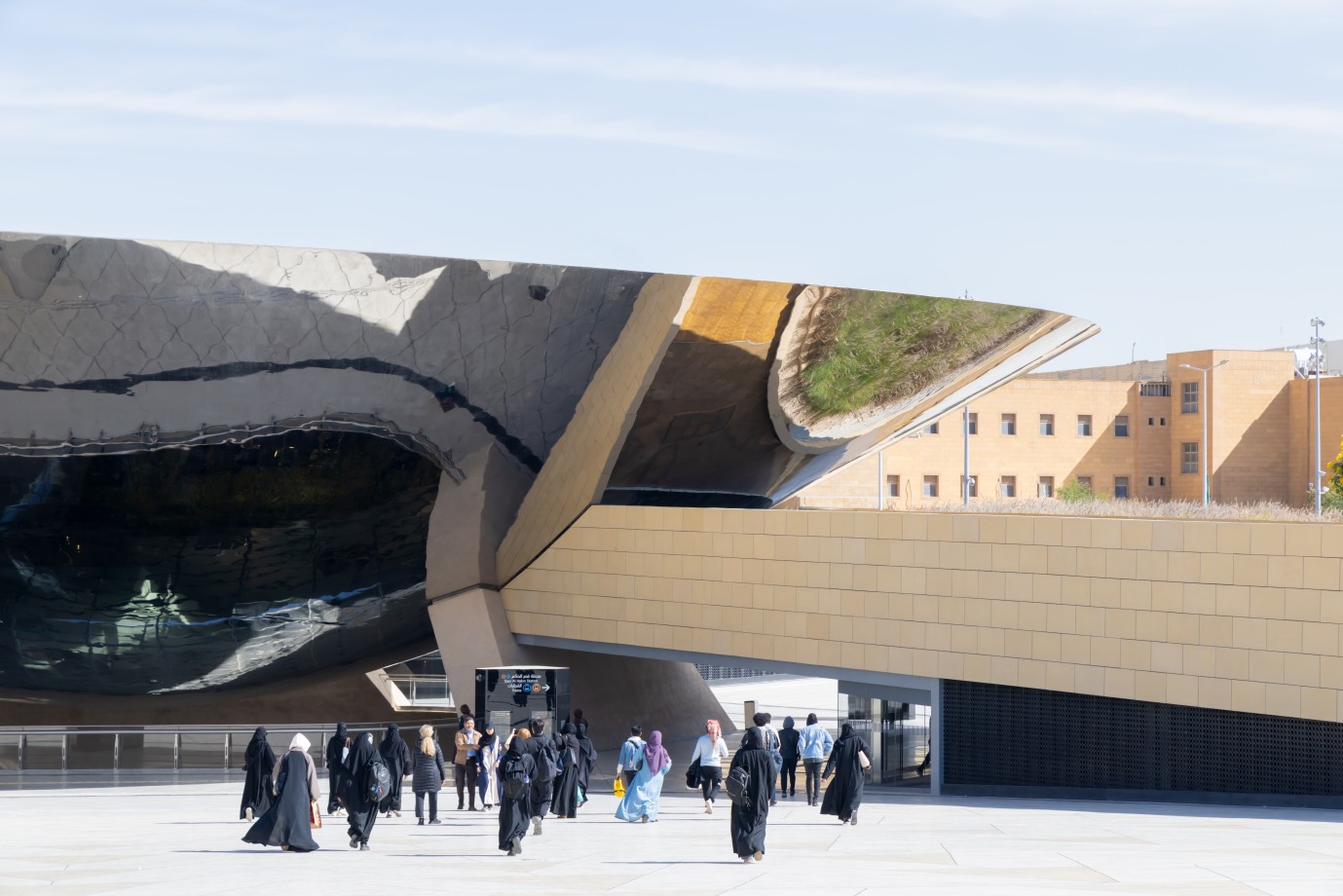
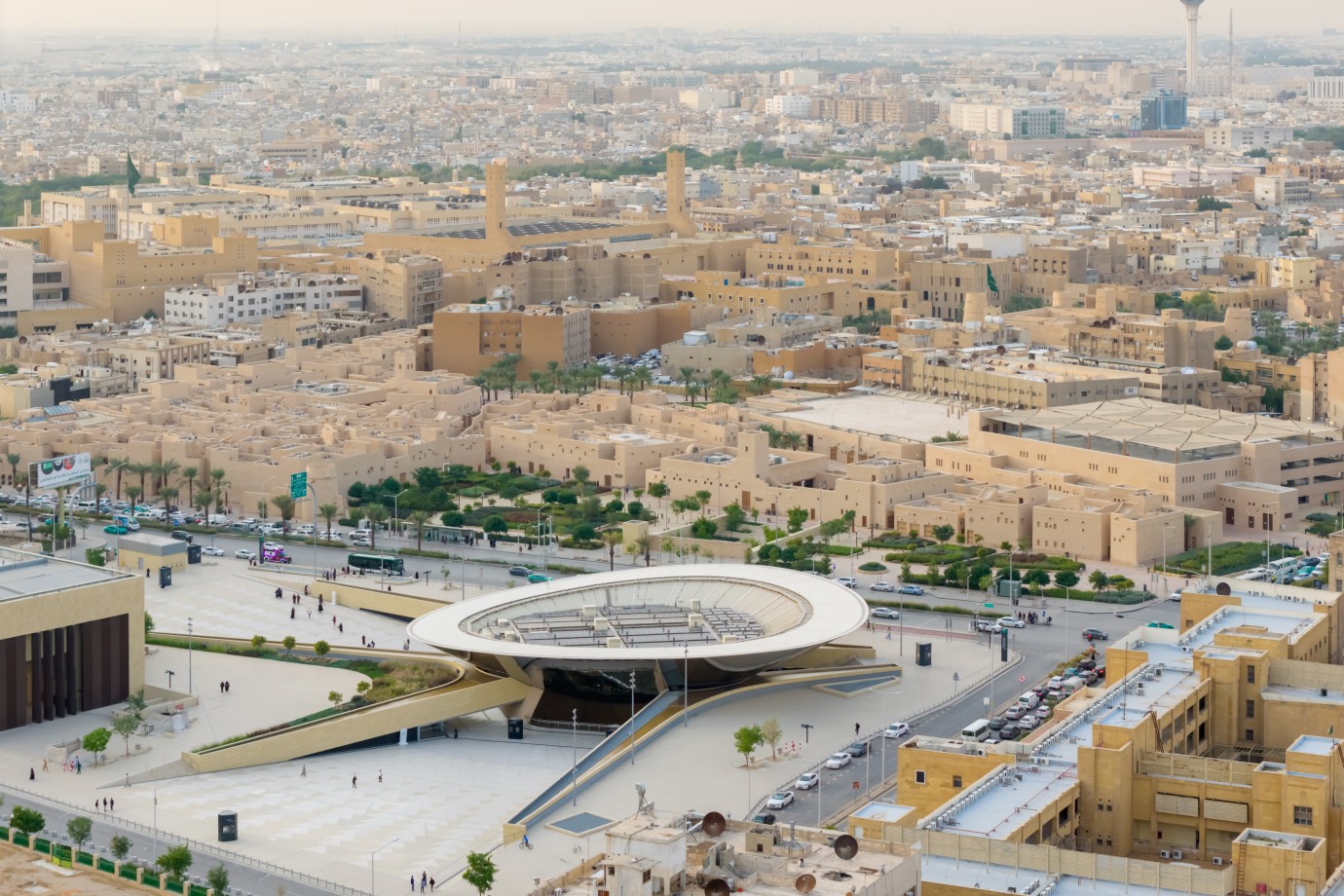
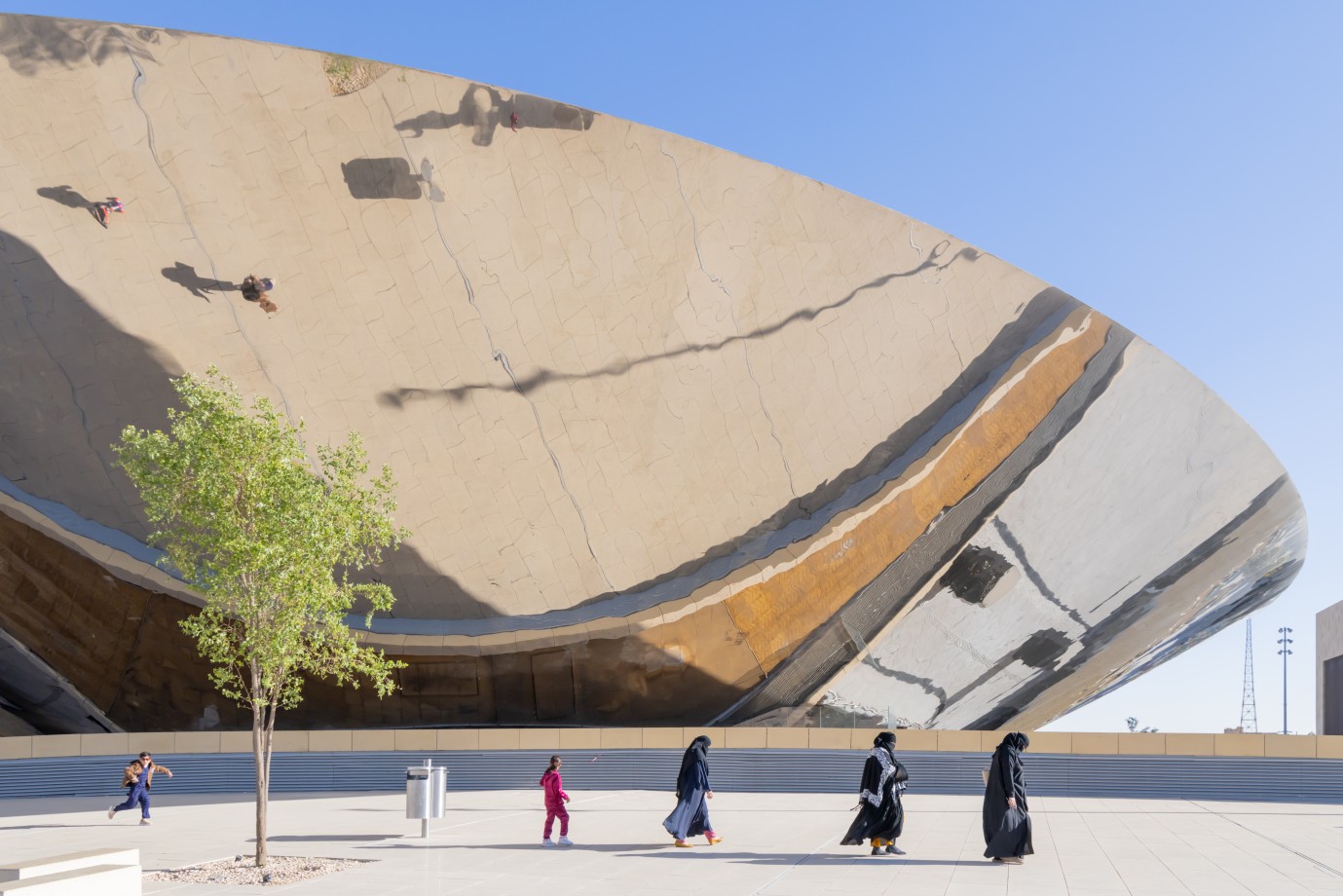
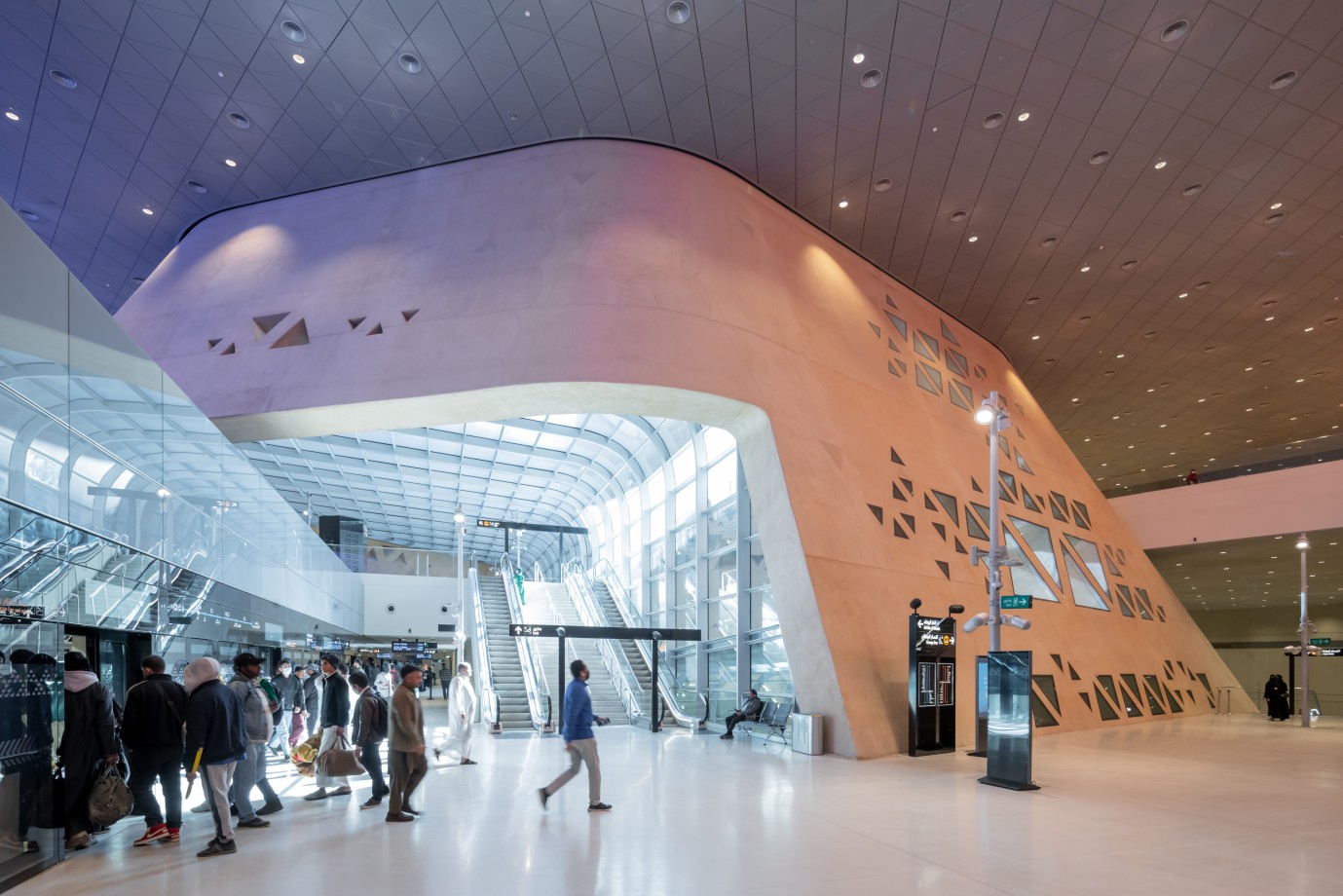
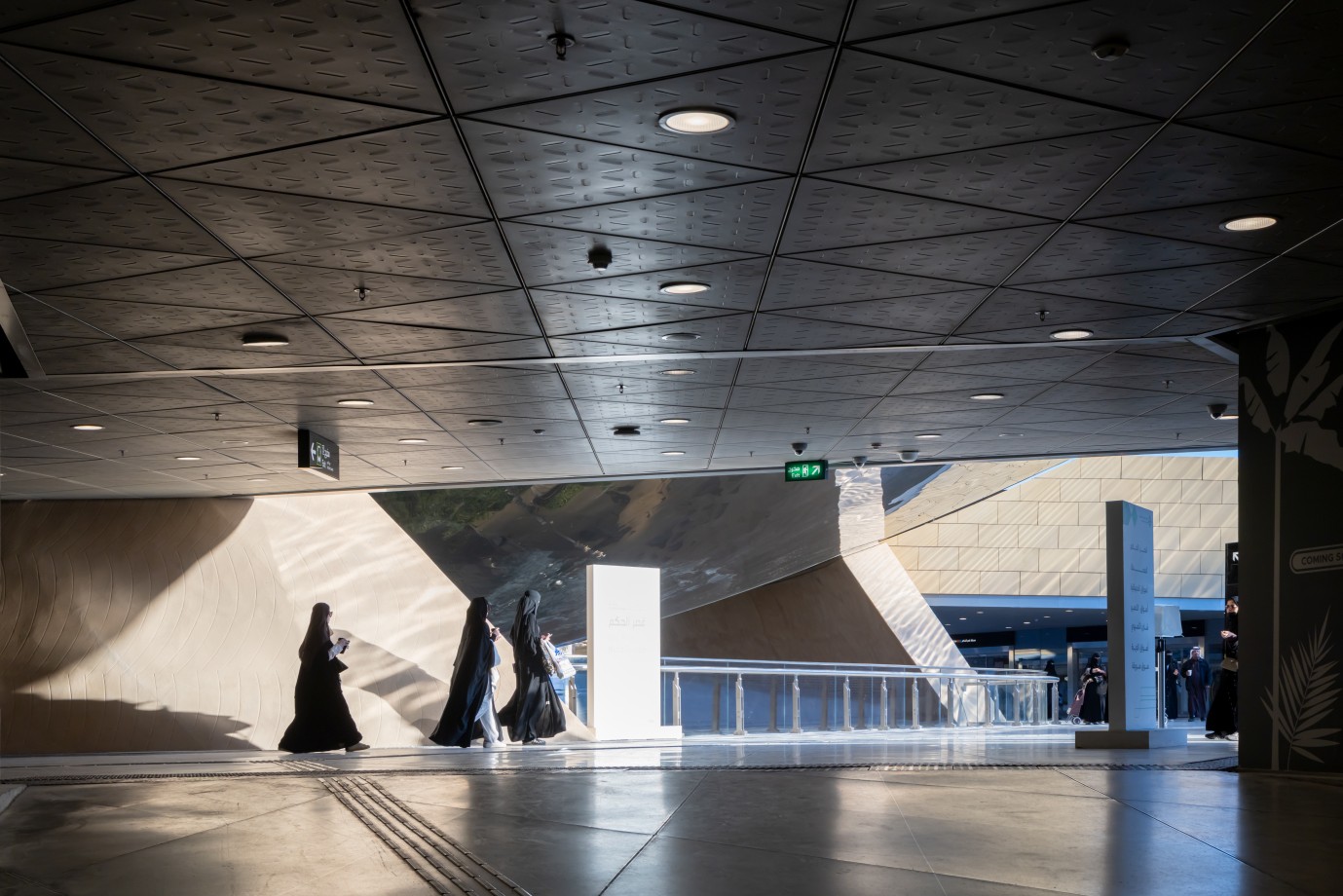
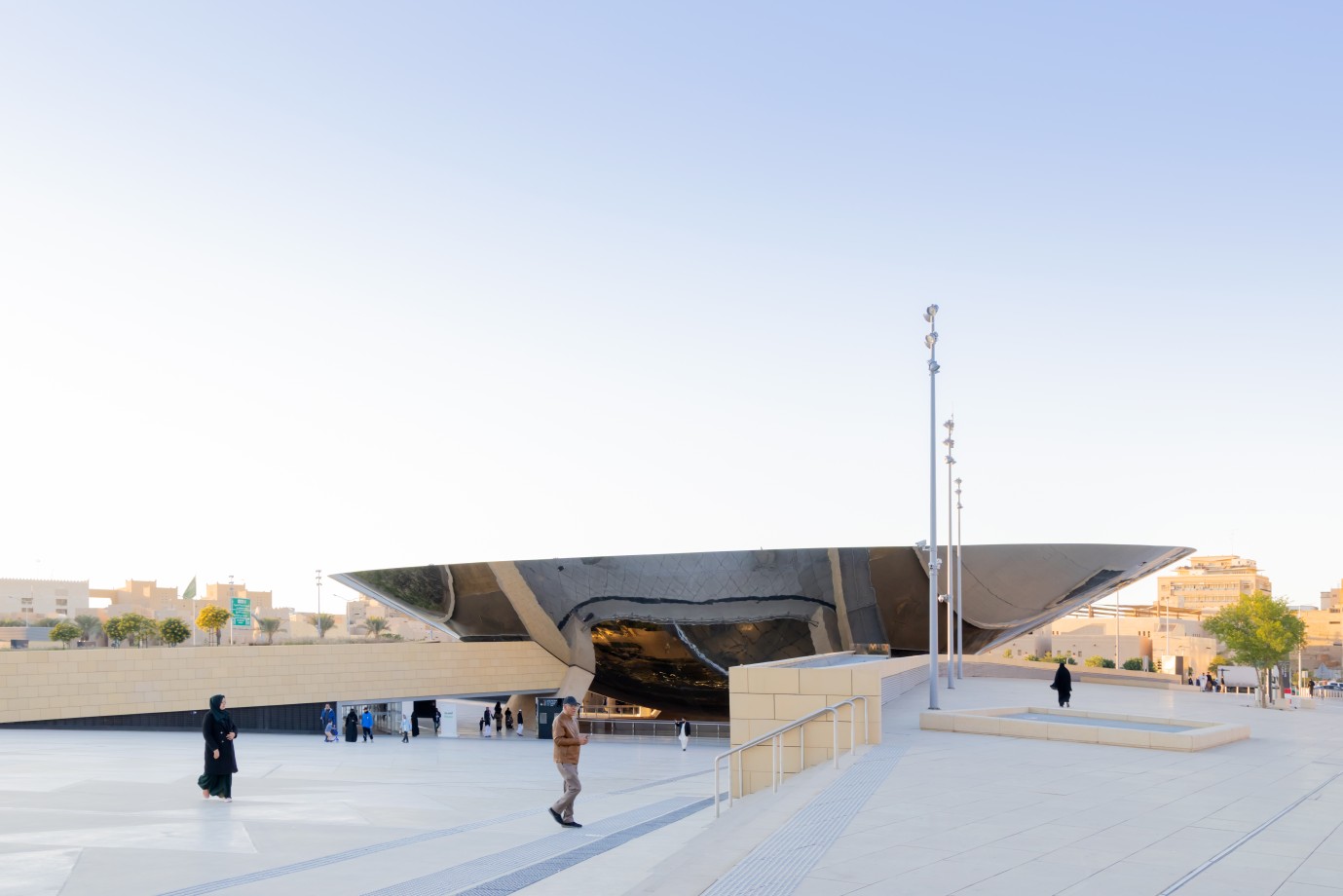
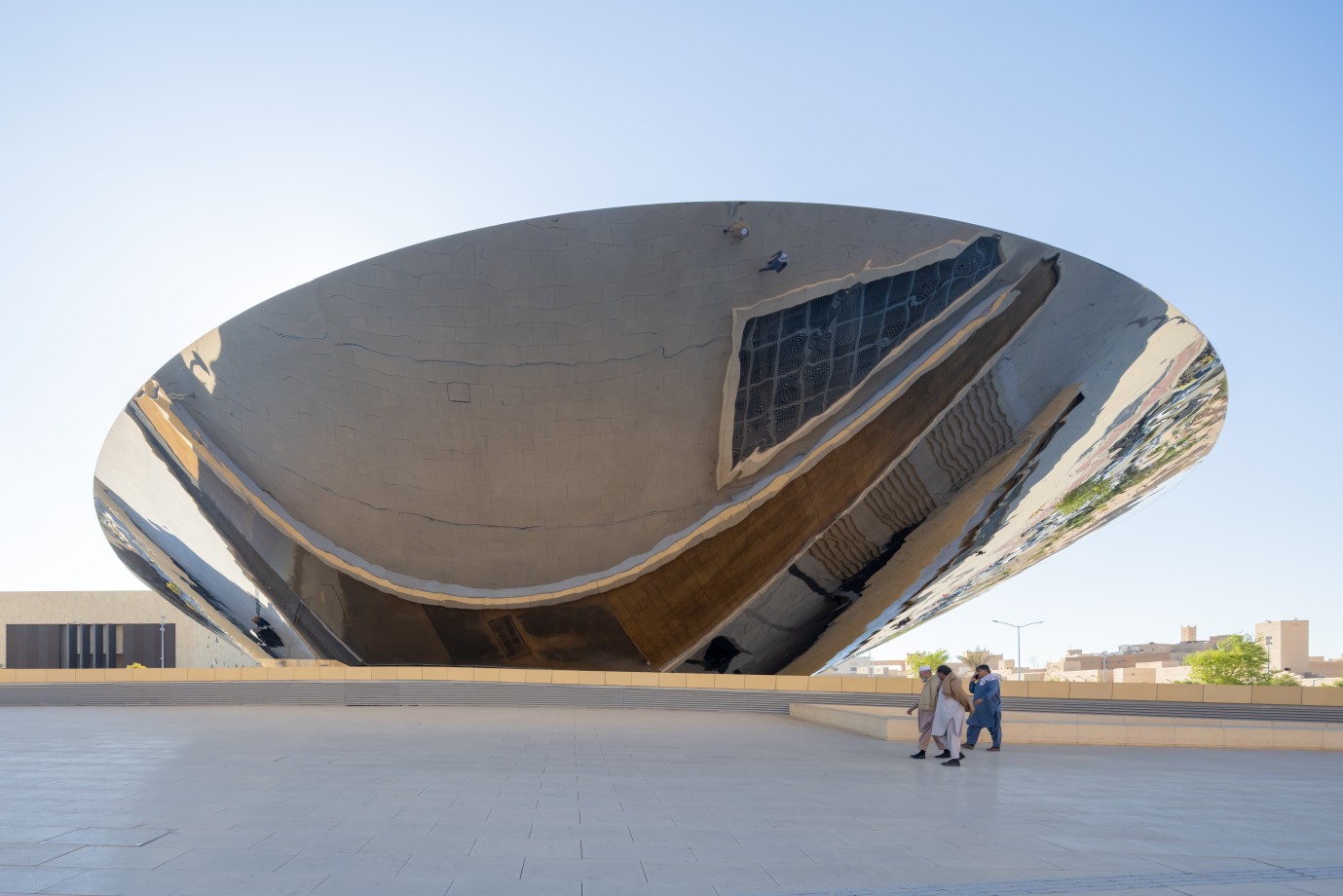
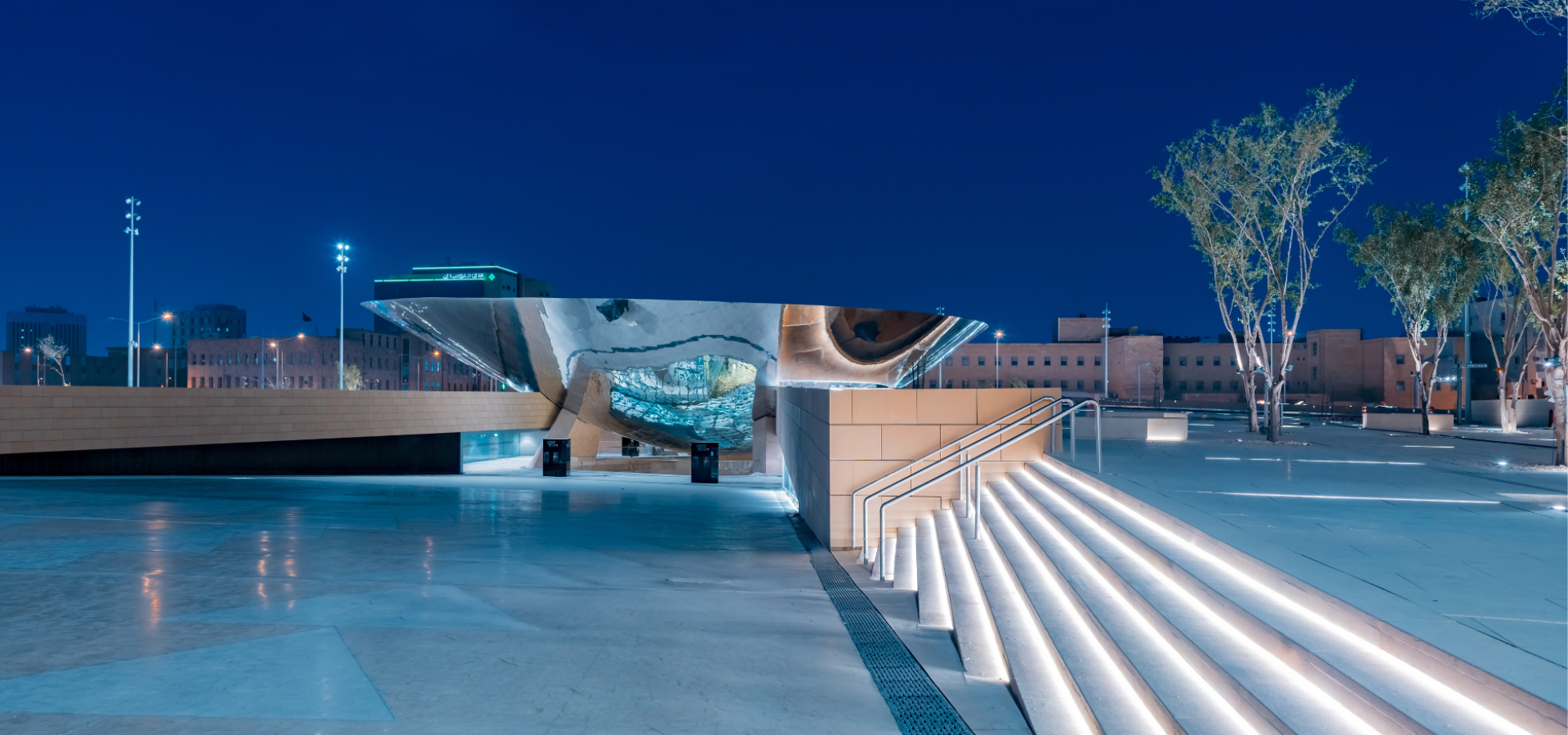
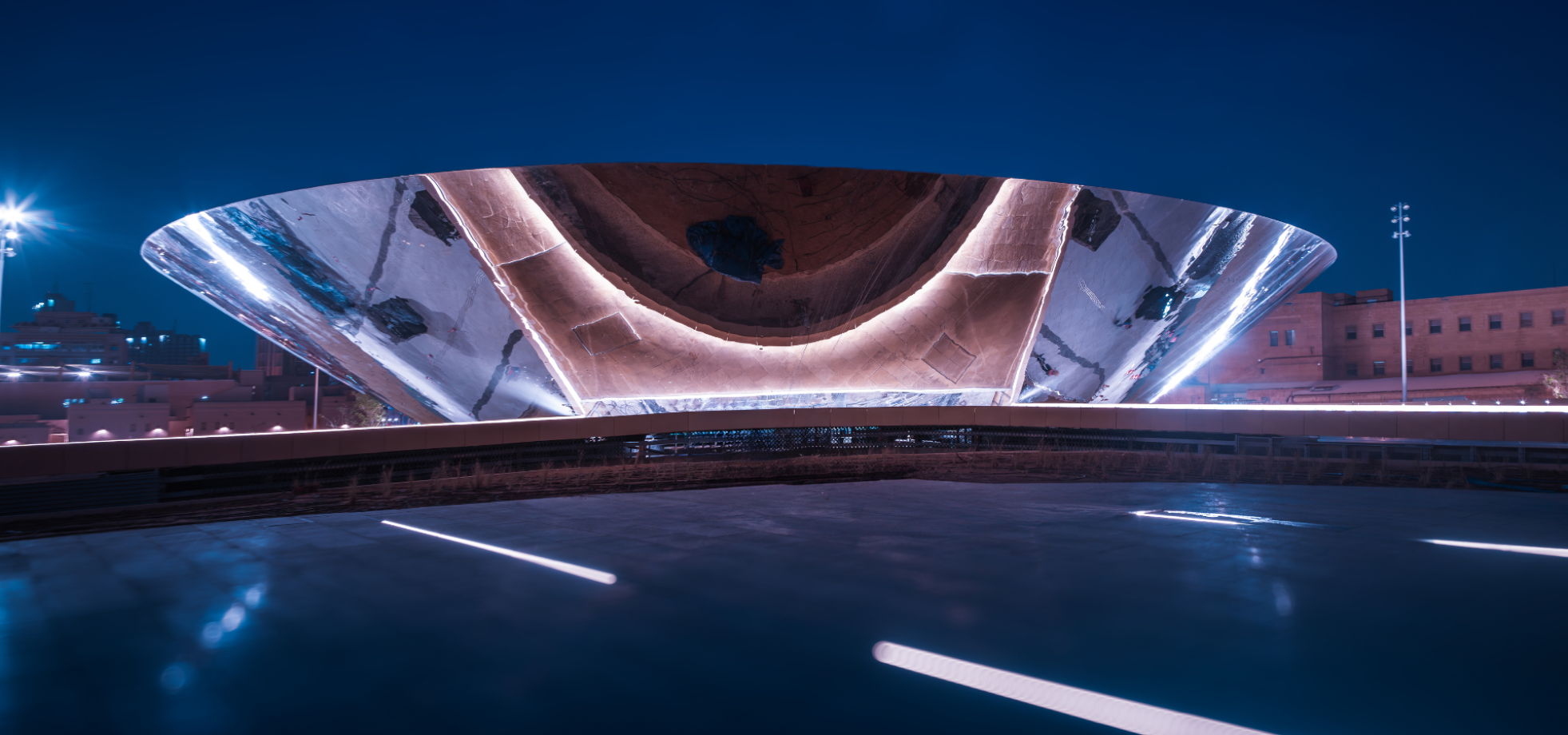
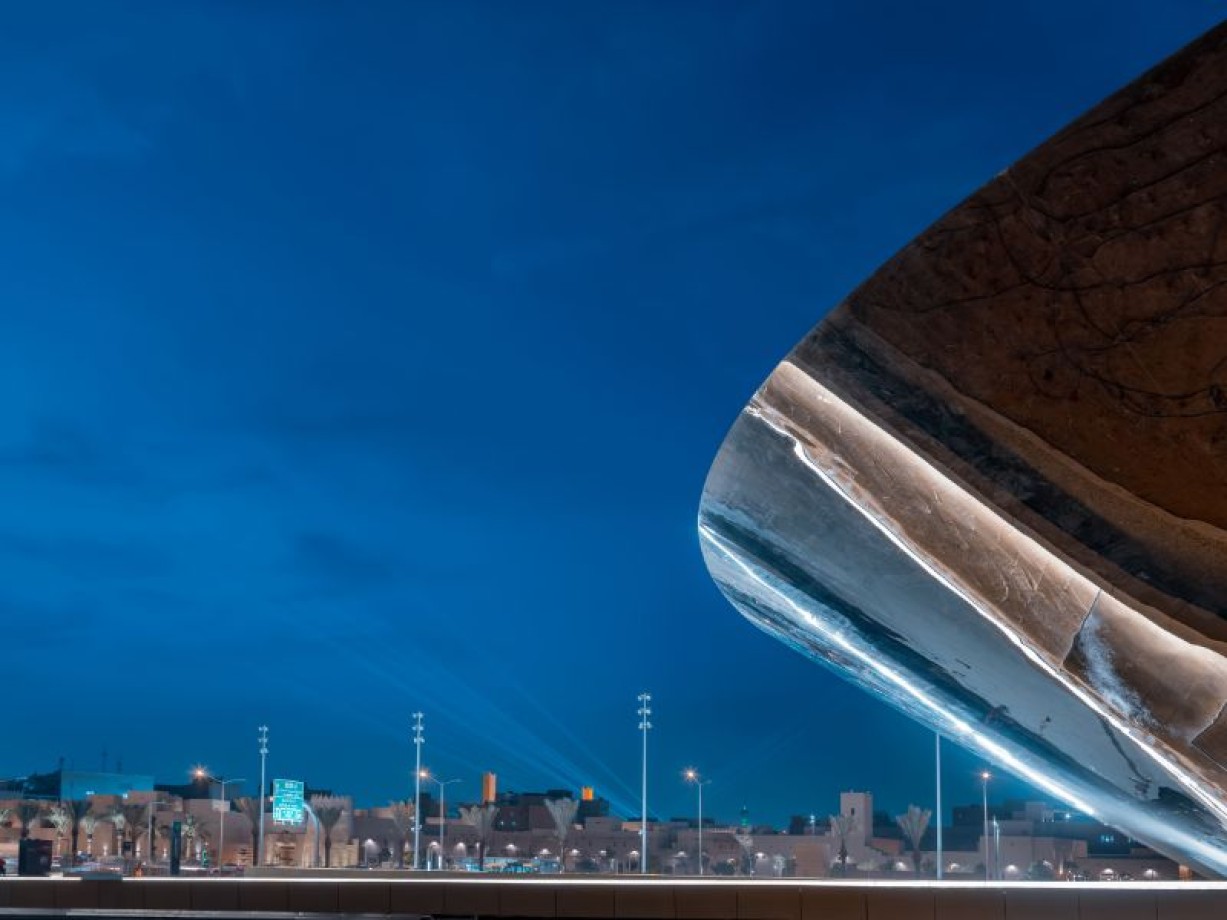
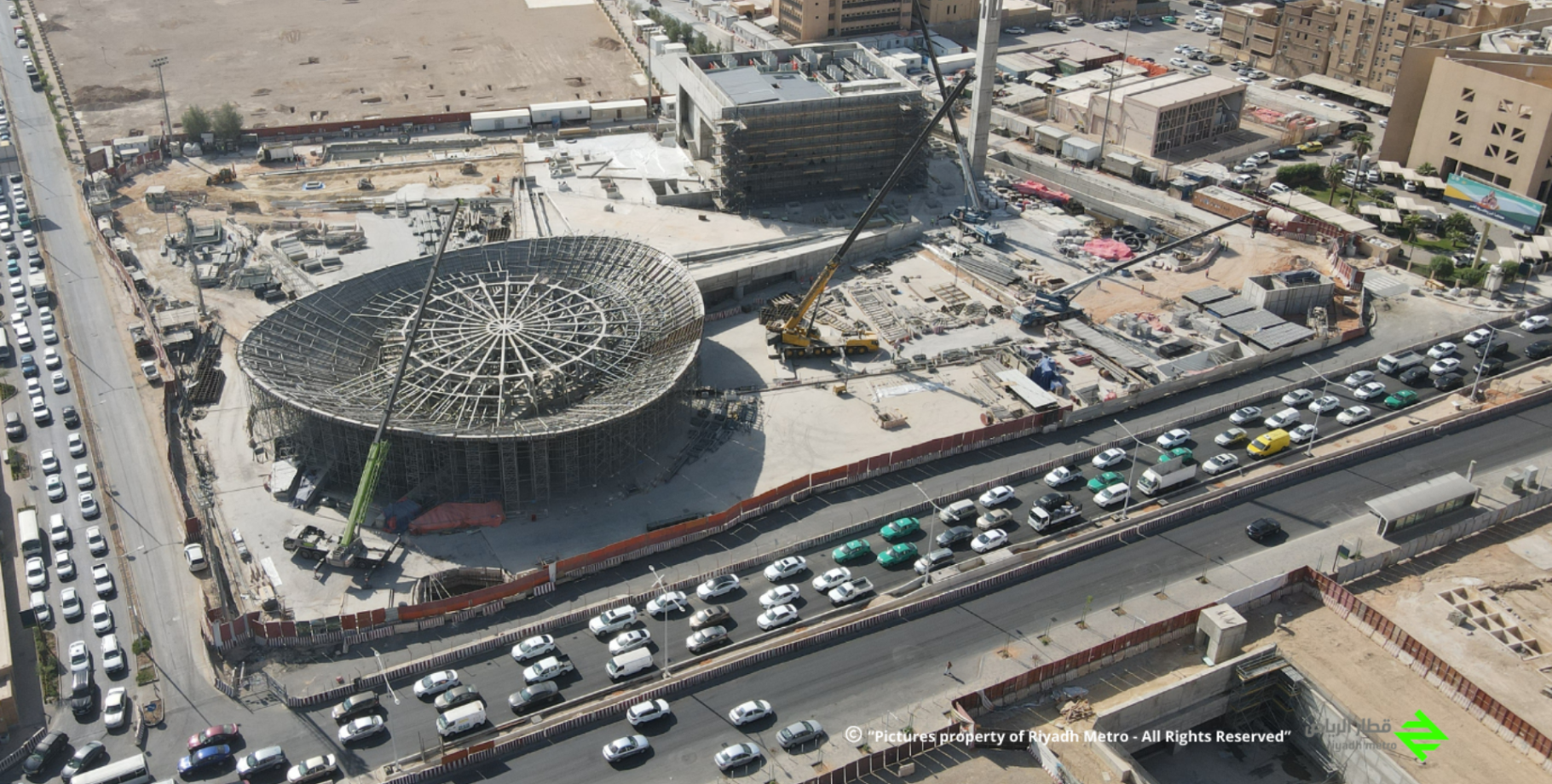
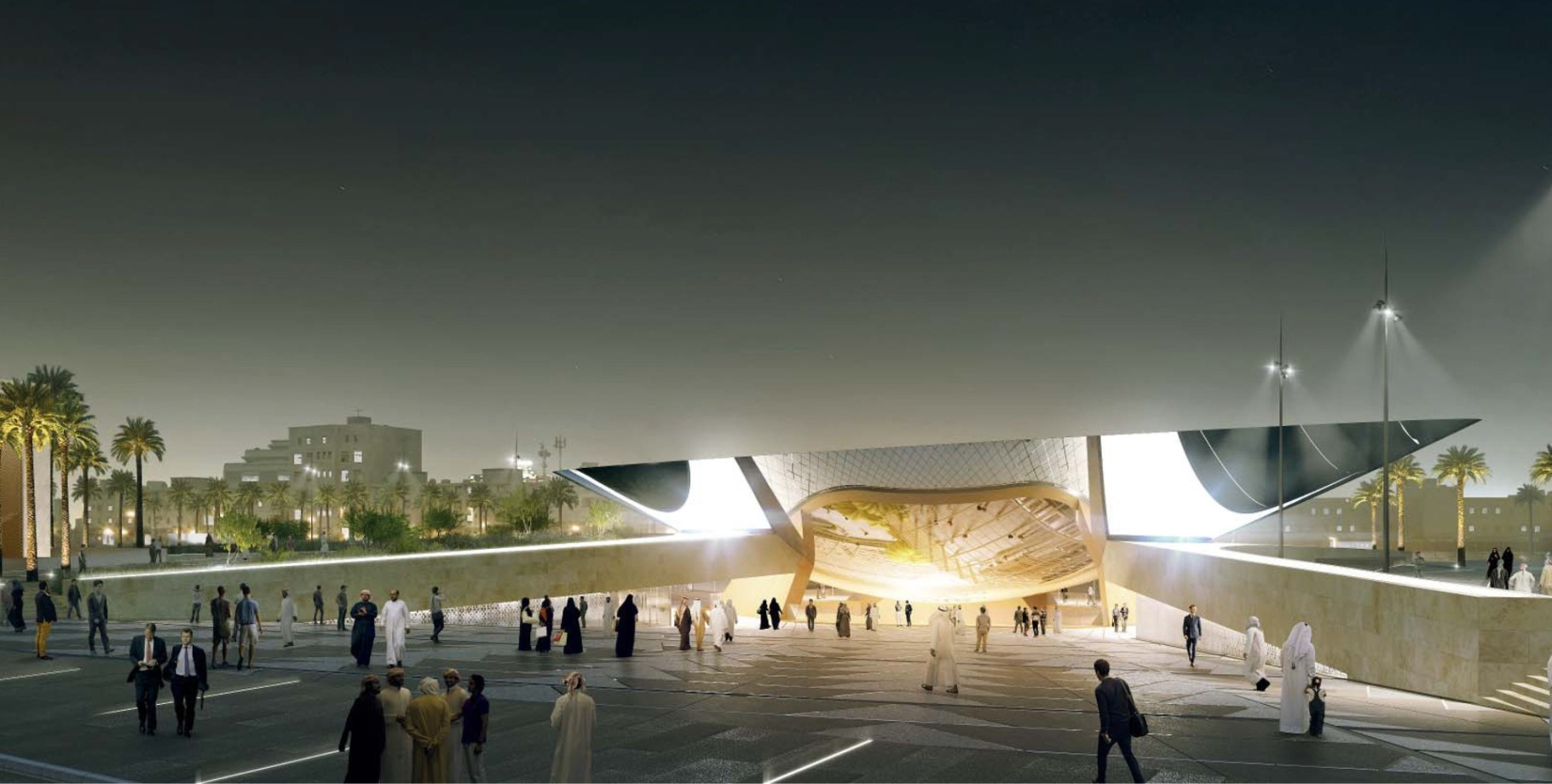
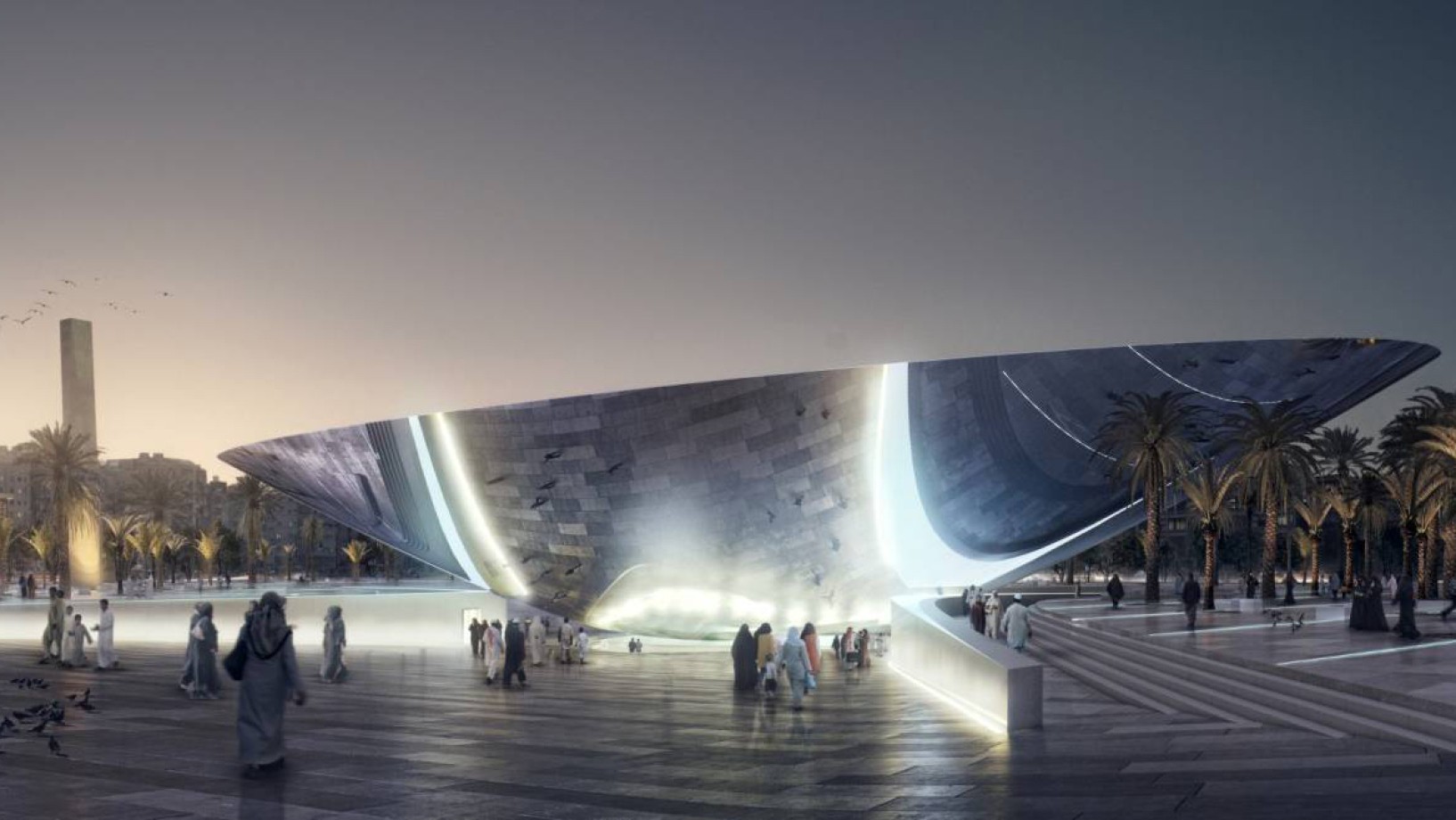
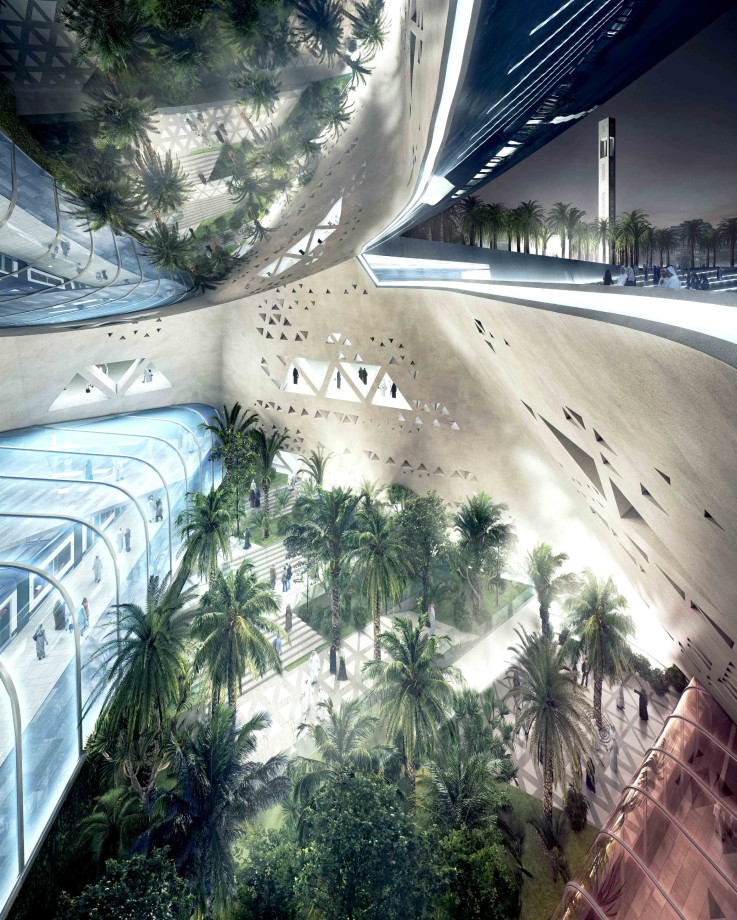
The station is designed as an open urban and pedestrian plaza with a large stainless-steel canopy and neighboring mosque. The station levels are visually linked through the mirror-like overhang structure - like a periscope - reflecting the outside inwards and the inside outward, while also directing natural light into the underground station and providing shade to the surrounding public areas.
Historical & cultural context
Situated in the historic heart of Riyadh, close to the original Masmak fortress and the old adobe buildings, the site lies next to an important Eid prayer field, dimensioned to accommodate the movement of many thousands of people gathering and dispersing during the annual event.
The plaza area has a smooth terrazzo surface that extends to the edges of the site, clearly designating it as an open civic realm. This generous public space creates a unified surface dedicated to the public functions of the metro station and the new mosque, which was reconstructed as part of the project to accommodate significant changes to the site’s structural layout.
The trees introduce shade, texture, and a sense of calm, planted along illuminated drainage channels aligned with Makkah. This configuration allows the space to function as an outdoor extension of the mosque, seamlessly blending interior and exterior.
A point of orientation: the canopy
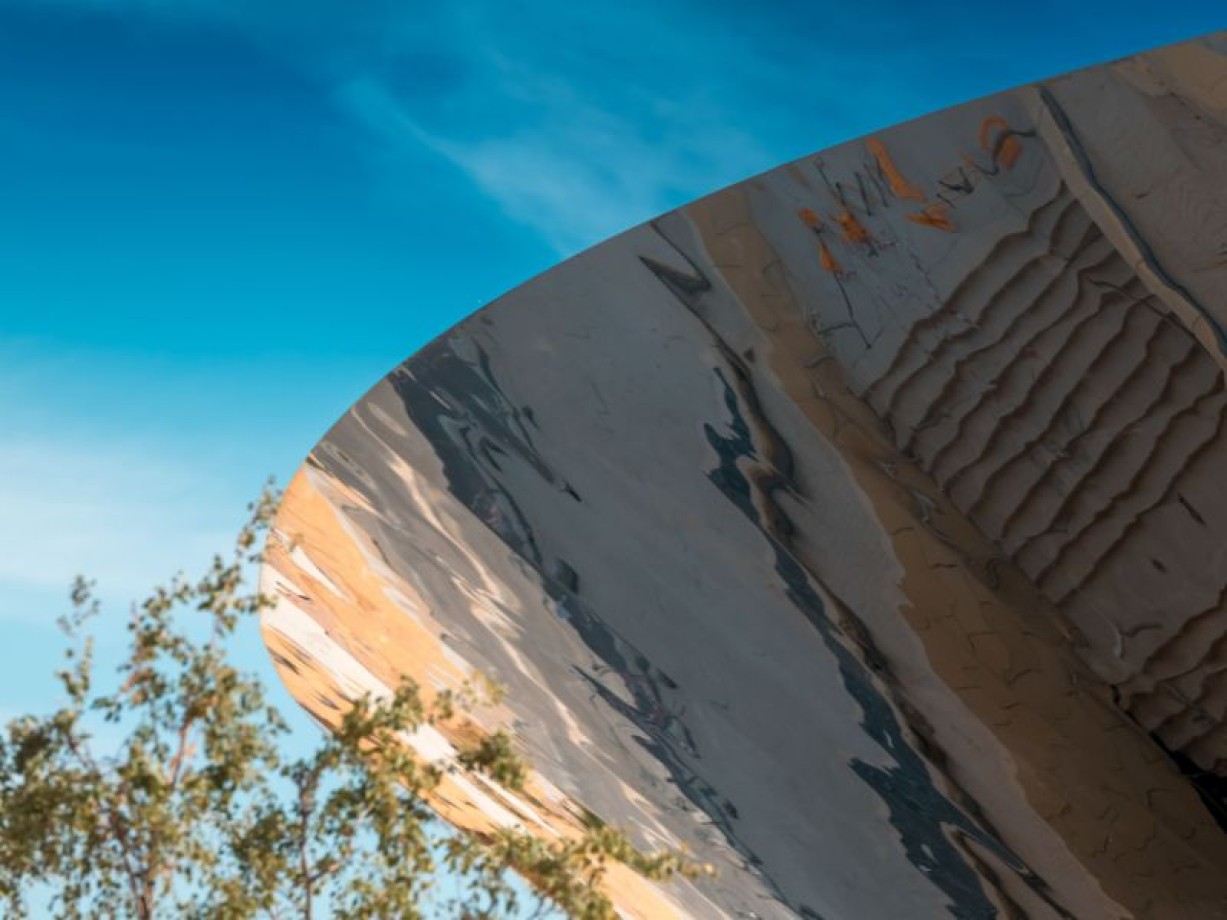
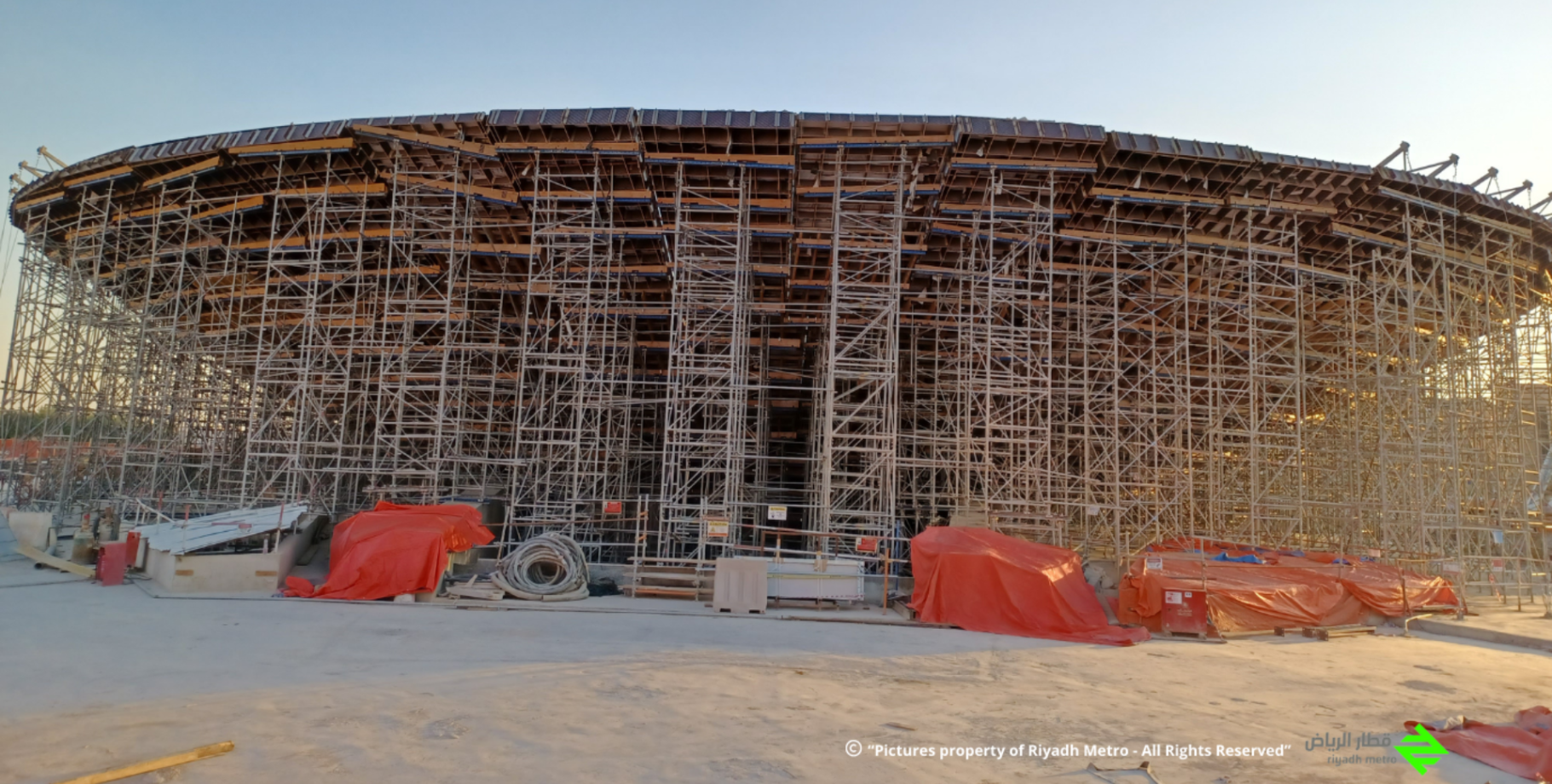
The steel canopy serves as the focal point and marks the main entrance to the station. Its shiny outer surface is made from 8 mm double curved stainless-steel panels that are fully welded together and polished to create a smooth, seamless appearance‑curved stainless‑steel panels that are fully welded together and polished to create a smooth, seamless appearance.
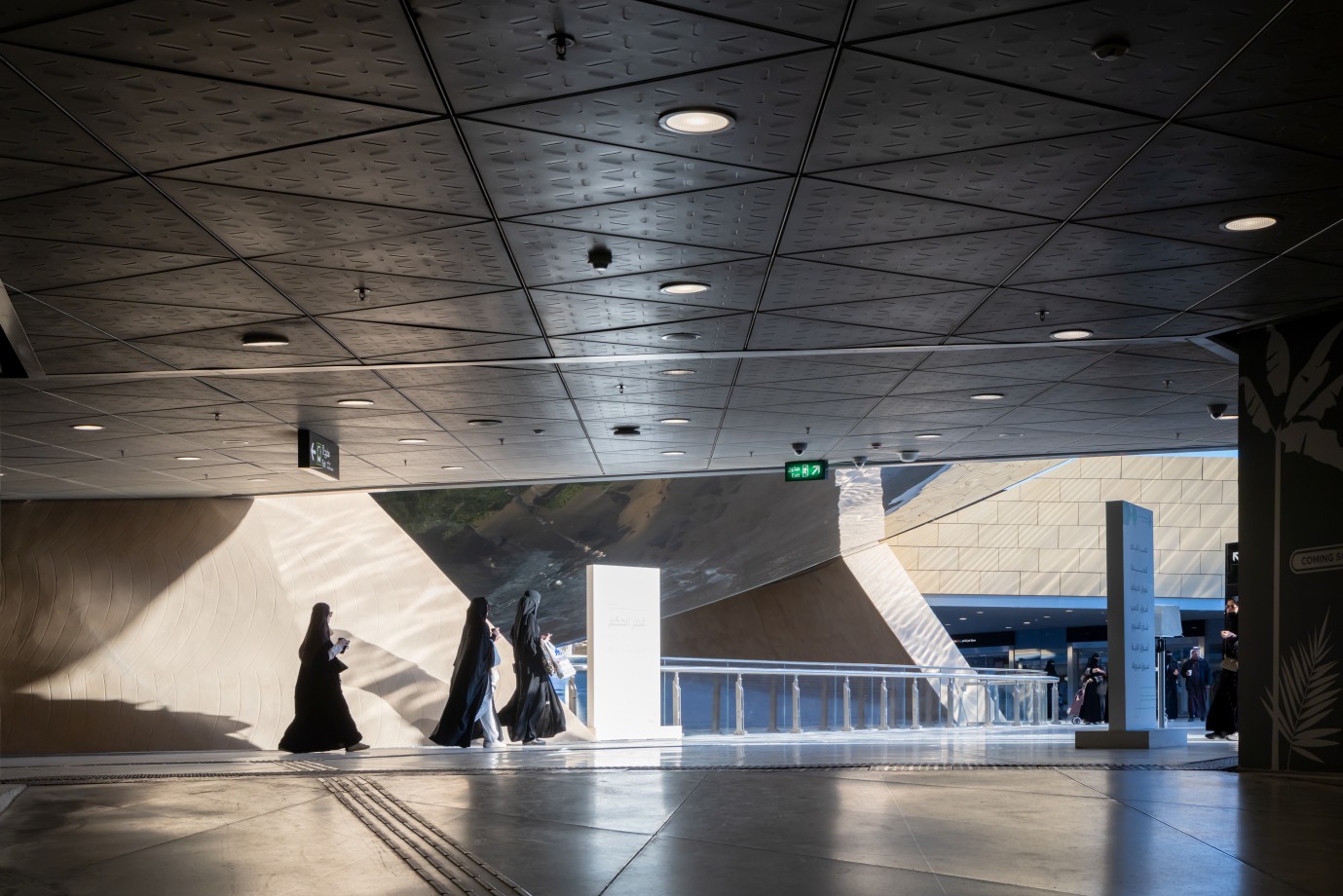
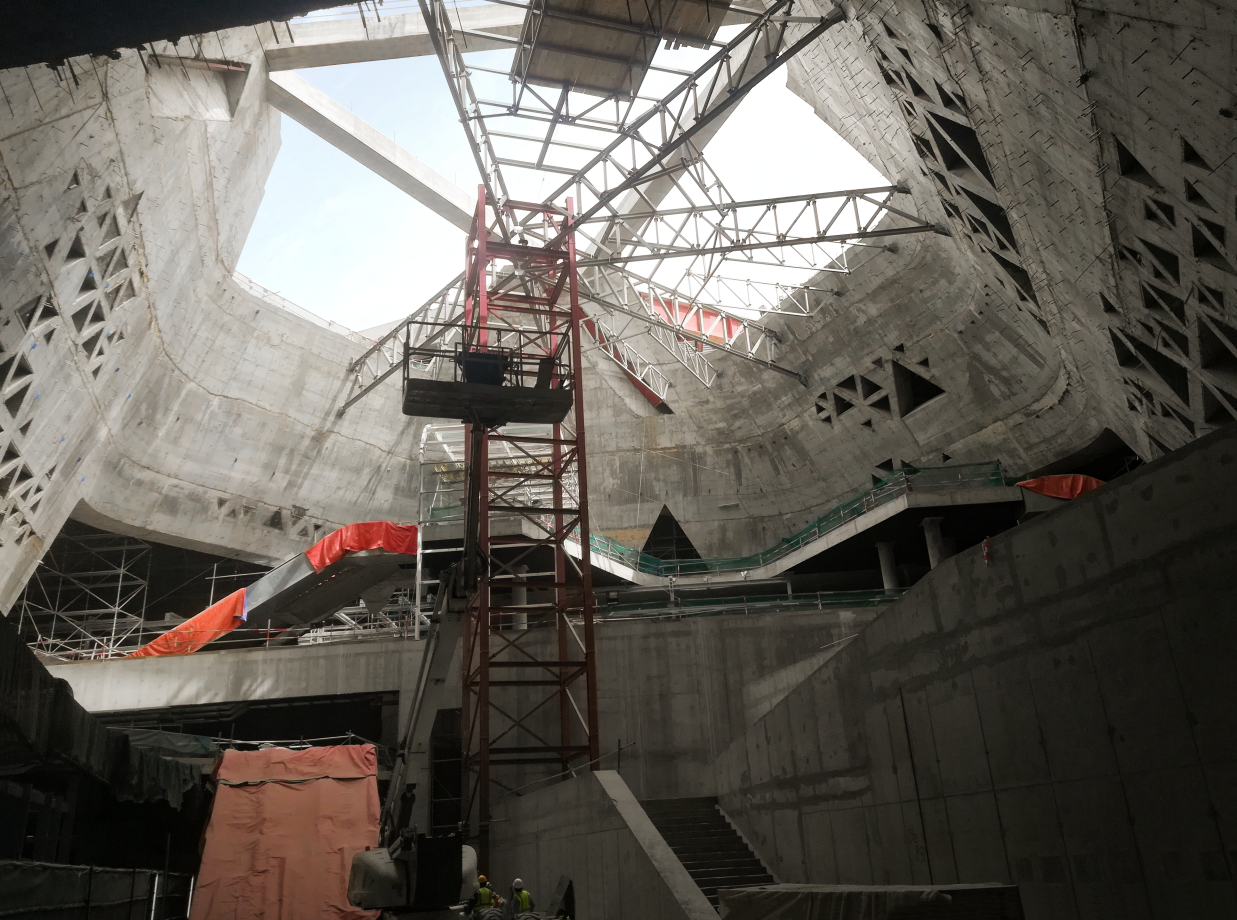
The supporting steel space‑frame – a strong, lightweight steel structure with adjustable tie rods for the connection to the stainless skin – allows the canopy to extend above and beyond its base: a massive cone wall. Beneath ground level, this reinforced concrete wall continues into the sloping interior walls of the station, finished with a rendered surface in respect of the station’s historic setting.
Acting as both a unifying architectural element and a point of orientation within the building, the steel canopy also carries indirect sunlight downward from its mirror‑like surface. PV panels for energy production are mounted on the upper side of the canopy roof, while the small amount of rain that falls is collected and reused for irrigation.
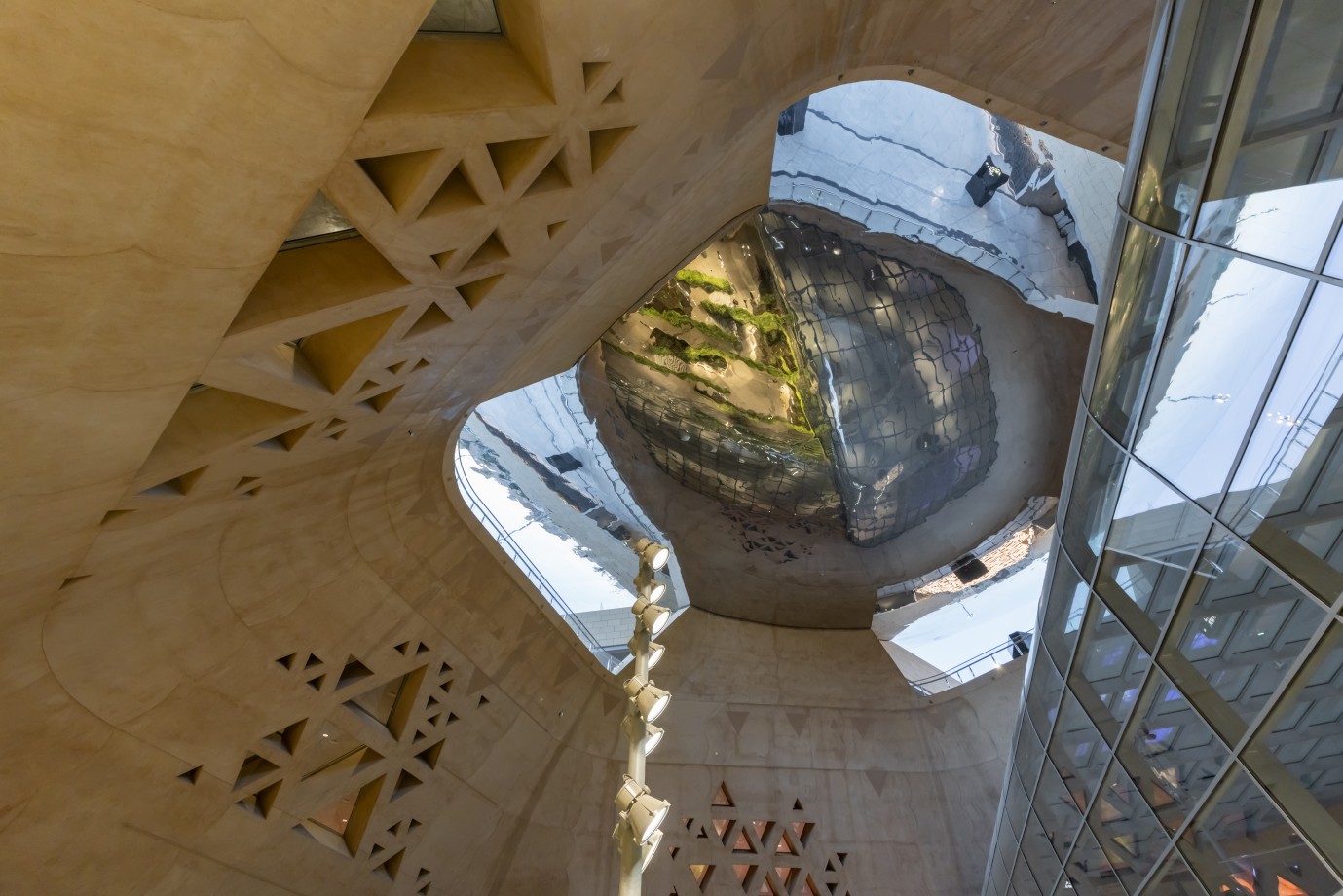
When you come off the train and look up, you see a 360-degree view of the city reflected on the underside of the canopy. So, you get an immediate picture of where you are in the city. Likewise, if you're coming from the city, you look up into the canopy, and it mirrors everything that happens below.
Connecting lines
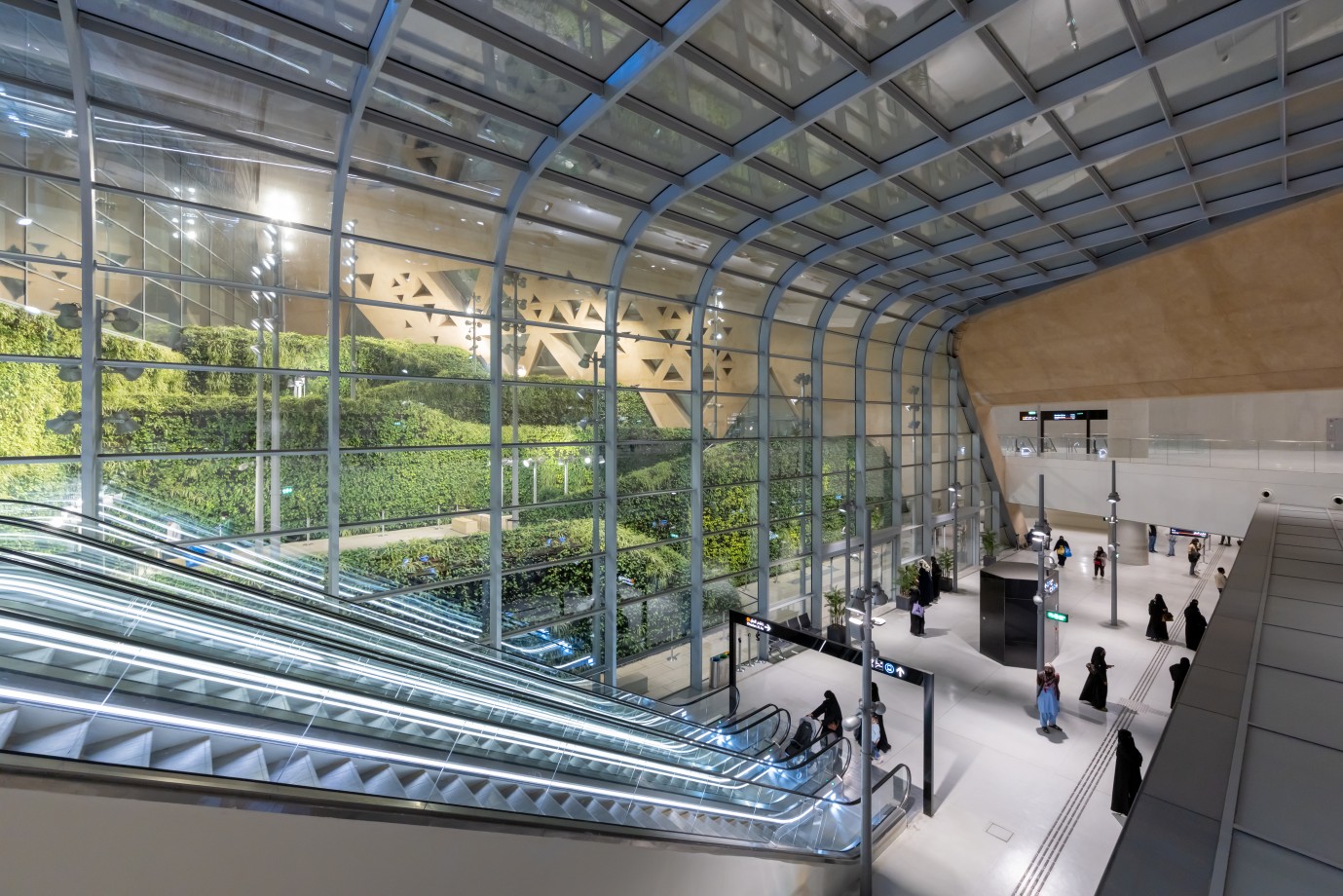
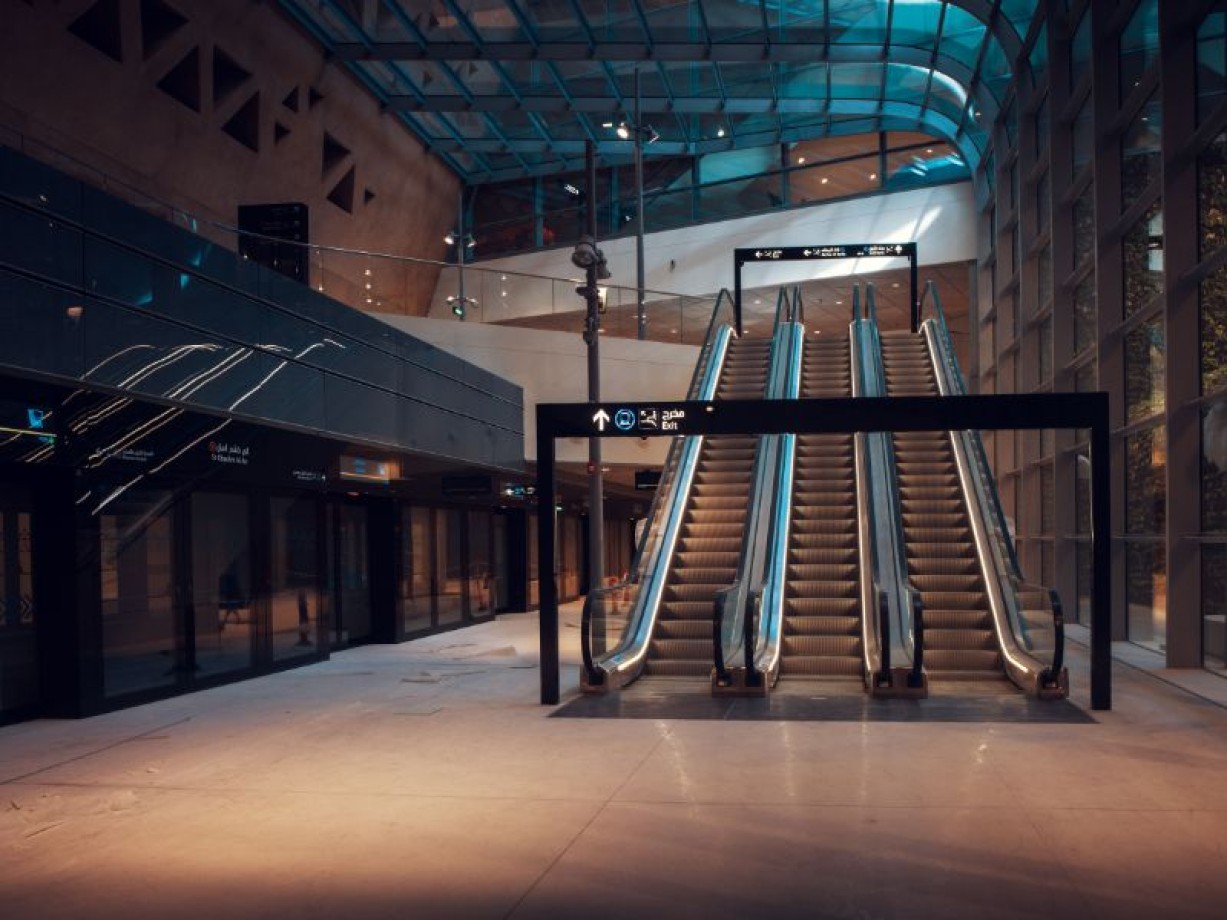
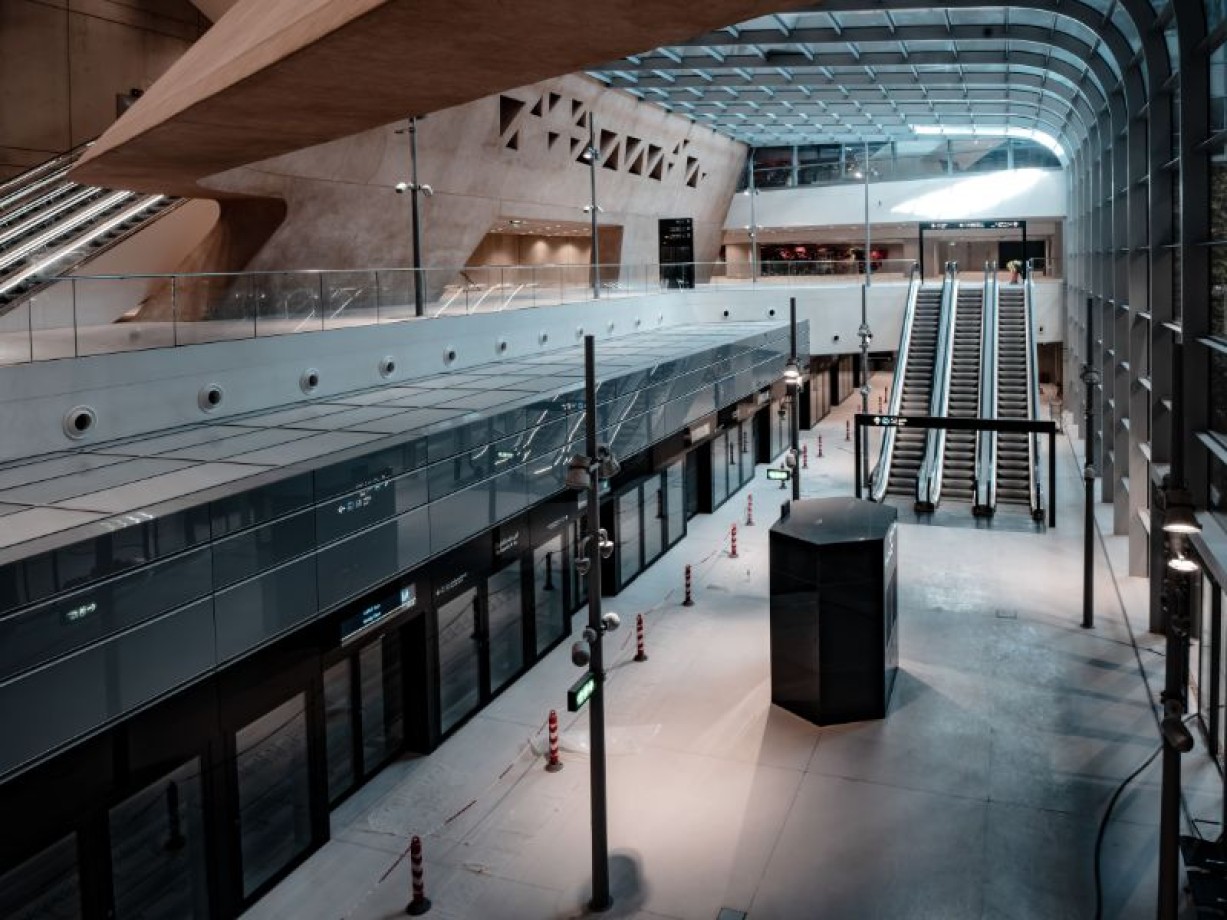
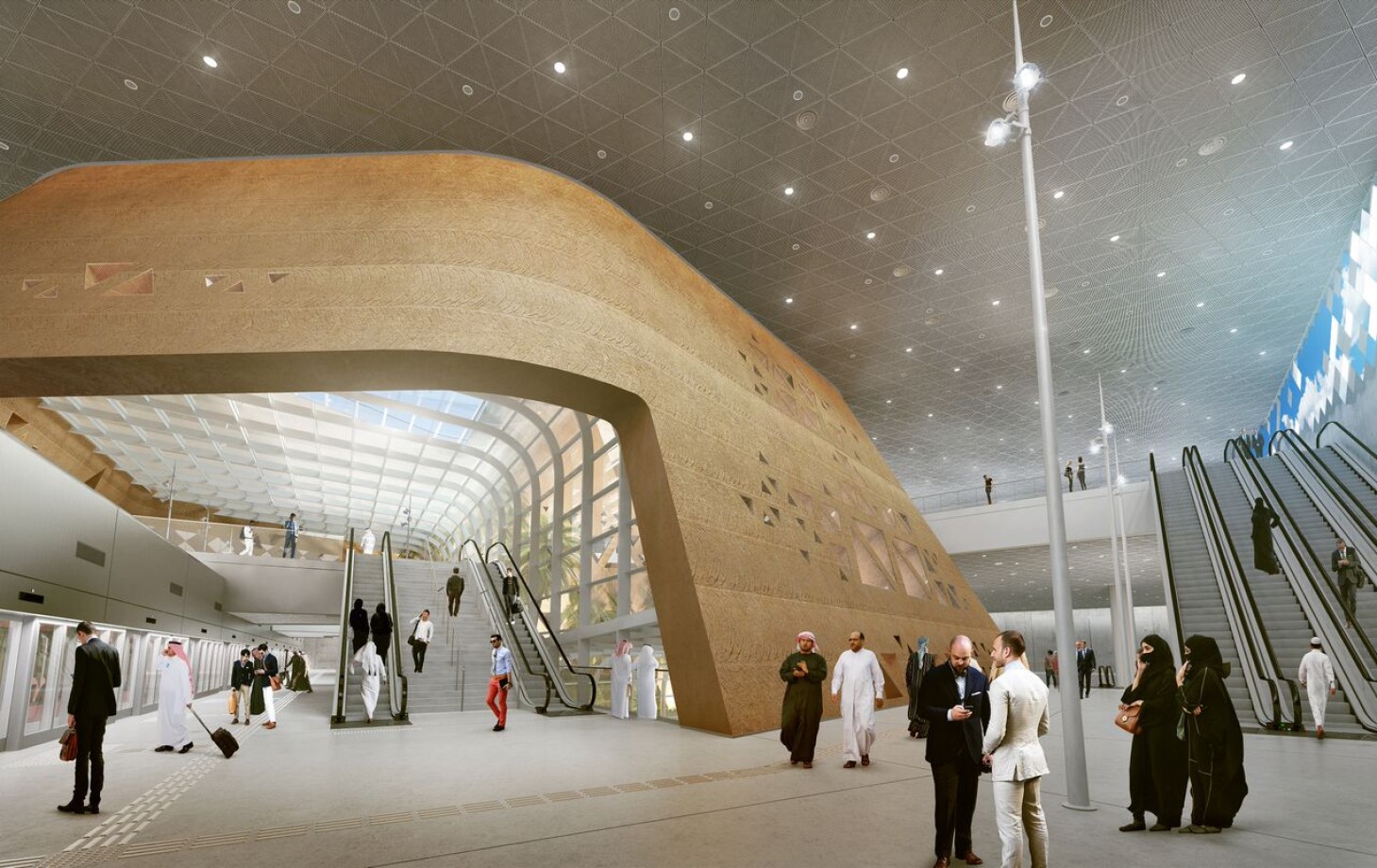
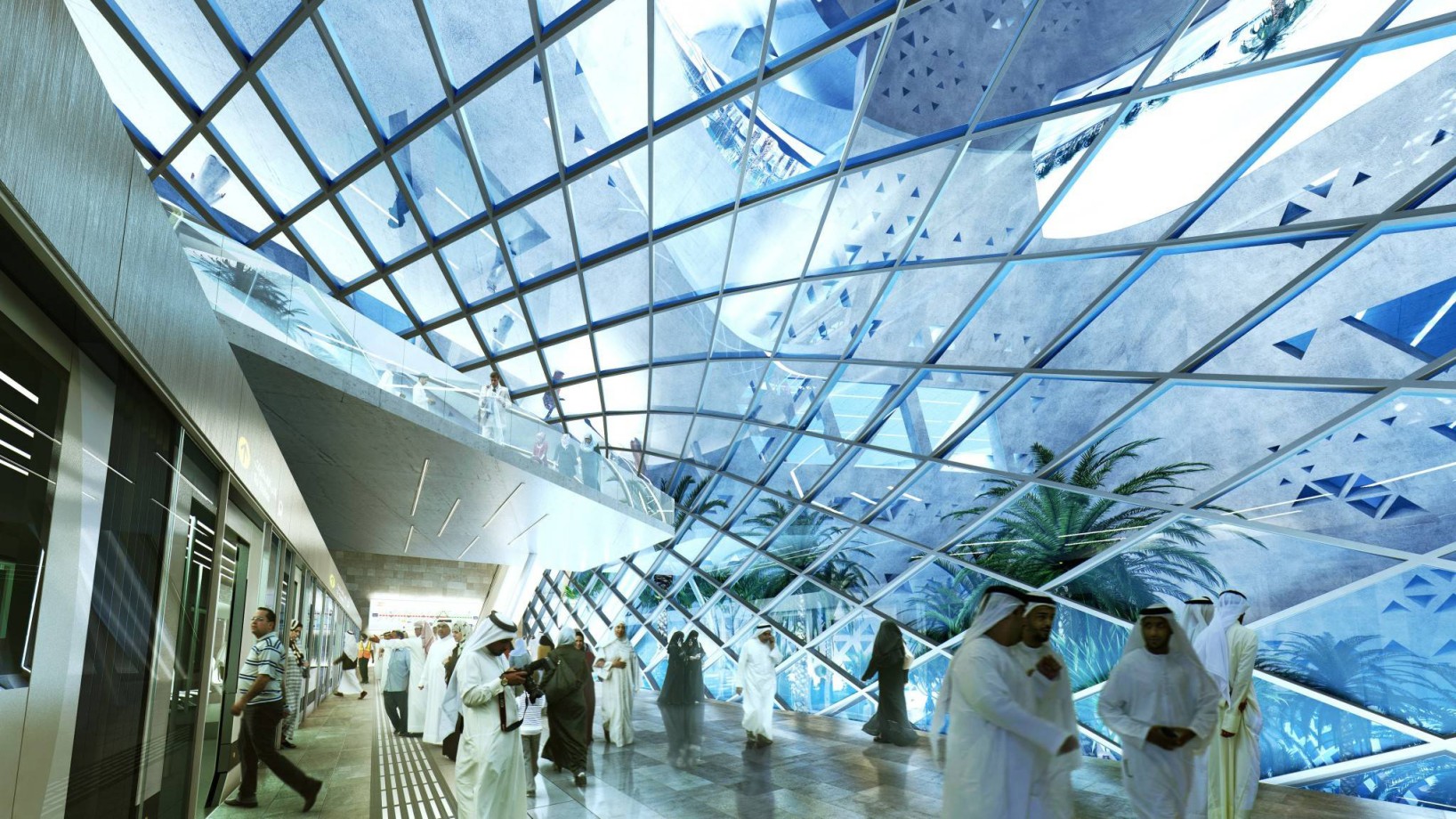
The two metro lines traverse the open space within glazed tubes, creating a striking visual presence and enhancing wayfinding throughout the station.
The platforms are each encapsulated within a large glass tube protruding into the atrium void space - allowing for a seamless integration between interior and exterior, and opening the platform space up to the grandness of the atrium for both arriving and departing passengers.
For passengers merely passing through on the train, the sight signifies the importance of the Riyadh historic downtown and the link between history and the new.
Merging traditions and new media art
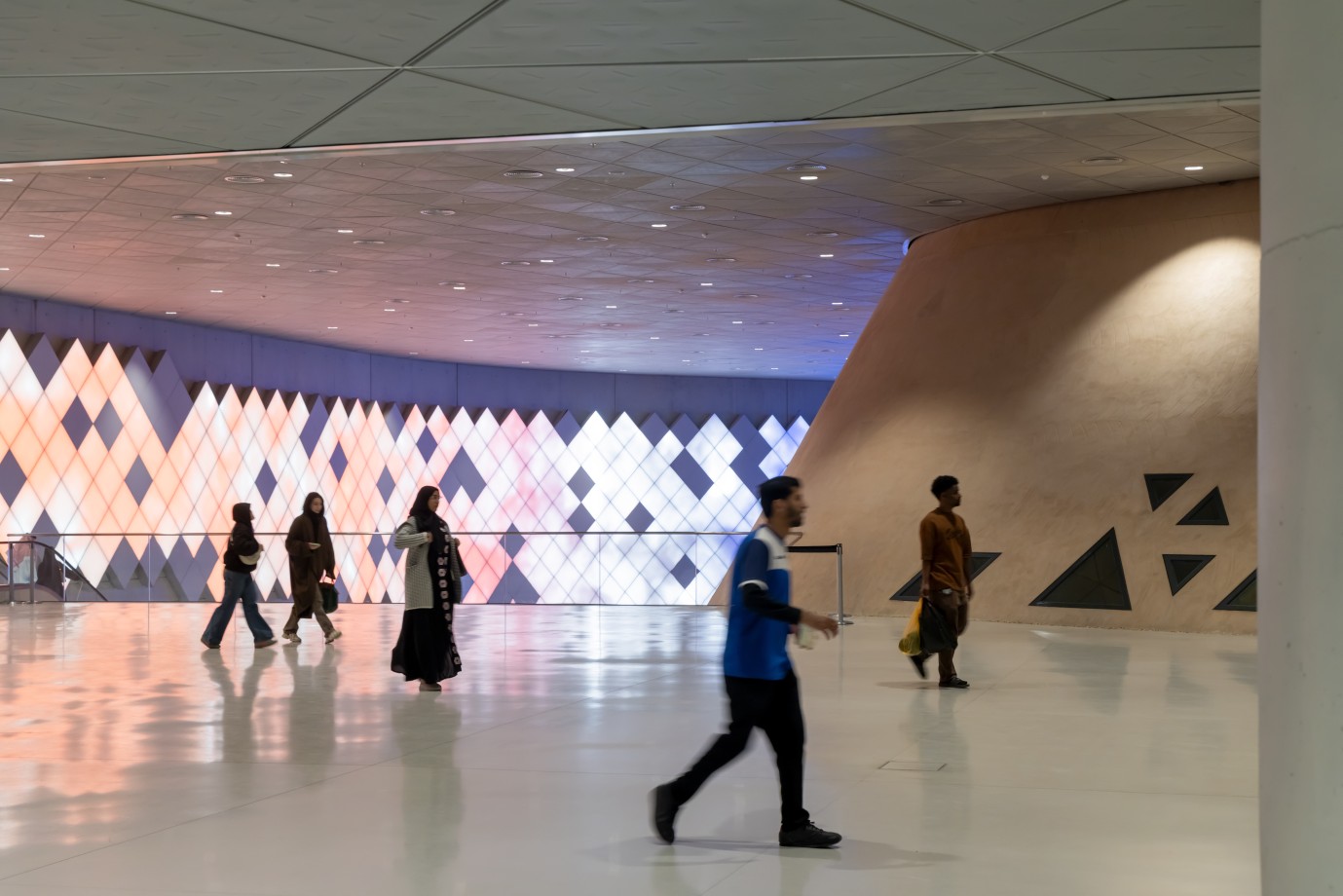
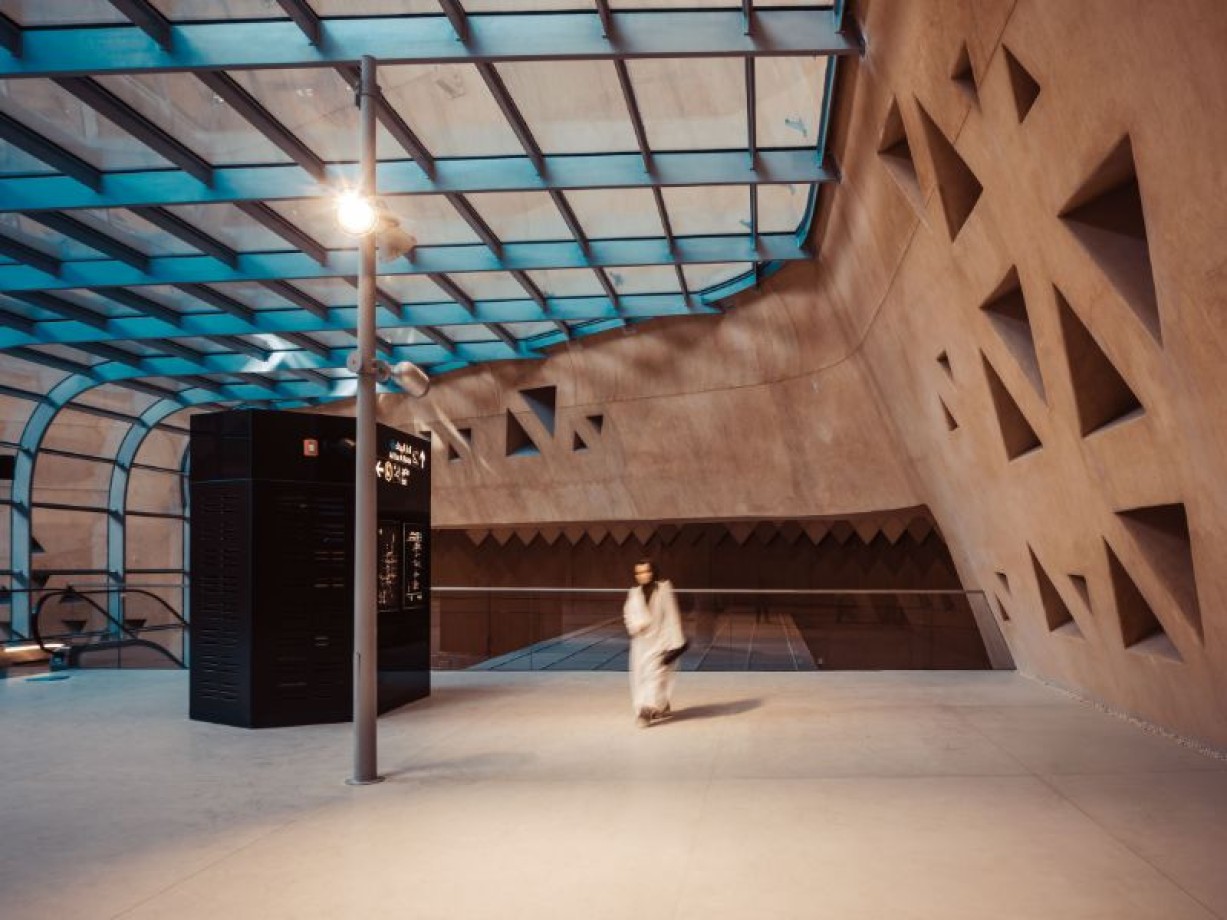
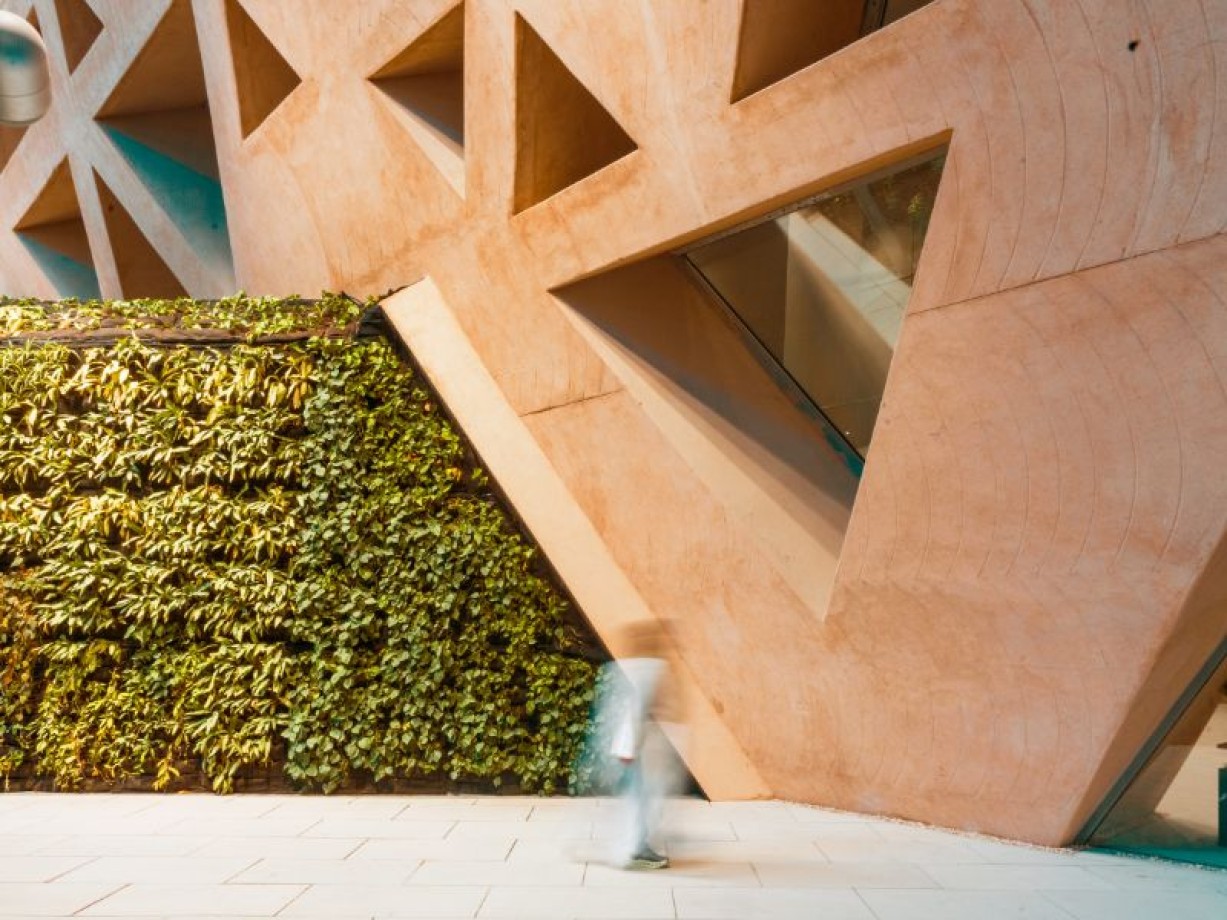
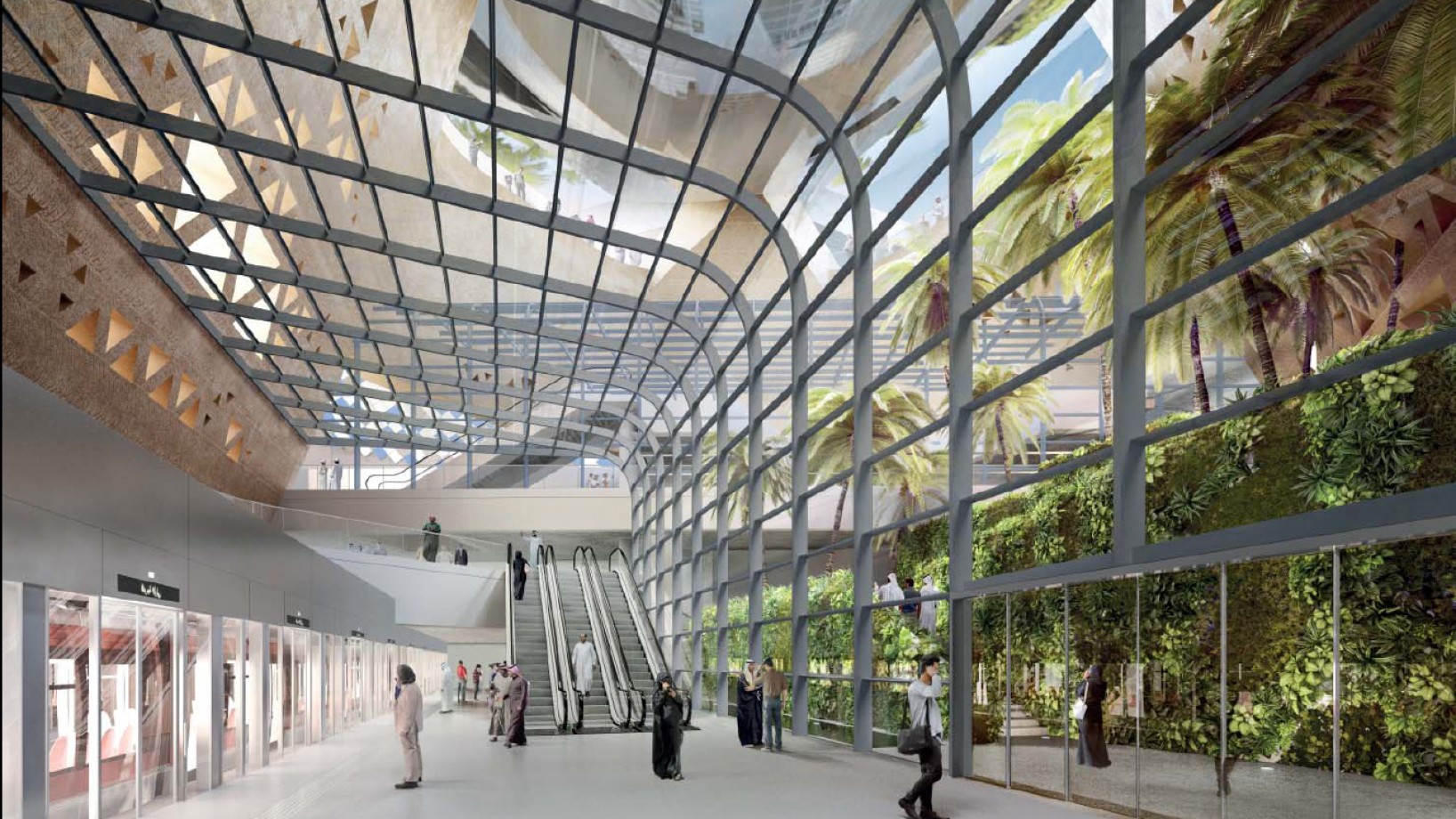
With respect for the station’s historic setting, the inner atrium walls are adorned with a window‑cut pattern inspired by traditional Najdi motifs, echoing the architectural character of the surrounding neighborhoods. Designed to create subtle glimpses between the different sections of the building, the patterned openings—formed by 326 triangular carvings in three different sizes—also filter light gently into the atrium.
On the outside of the concrete cone’s base layer, a liner wall is decorated with a continuous media art installation more than 100 metres long and 9 meters high, designed for light and artistic displays. Composed of 879 panels‑alone design feature and as a dynamic backdrop, framing the central Cone Wall within the station.
The shifting movement of light across the media wall helps users understand the scale and proportions of the main circulation space, supporting both orientation and the overall wayfinding strategy.
While its content will vary, the media art wall has been developed to maintain a smooth, calm visual expression, offering a deliberate contrast to the high speed of the trains and the flow of people moving toward them.
Underground garden
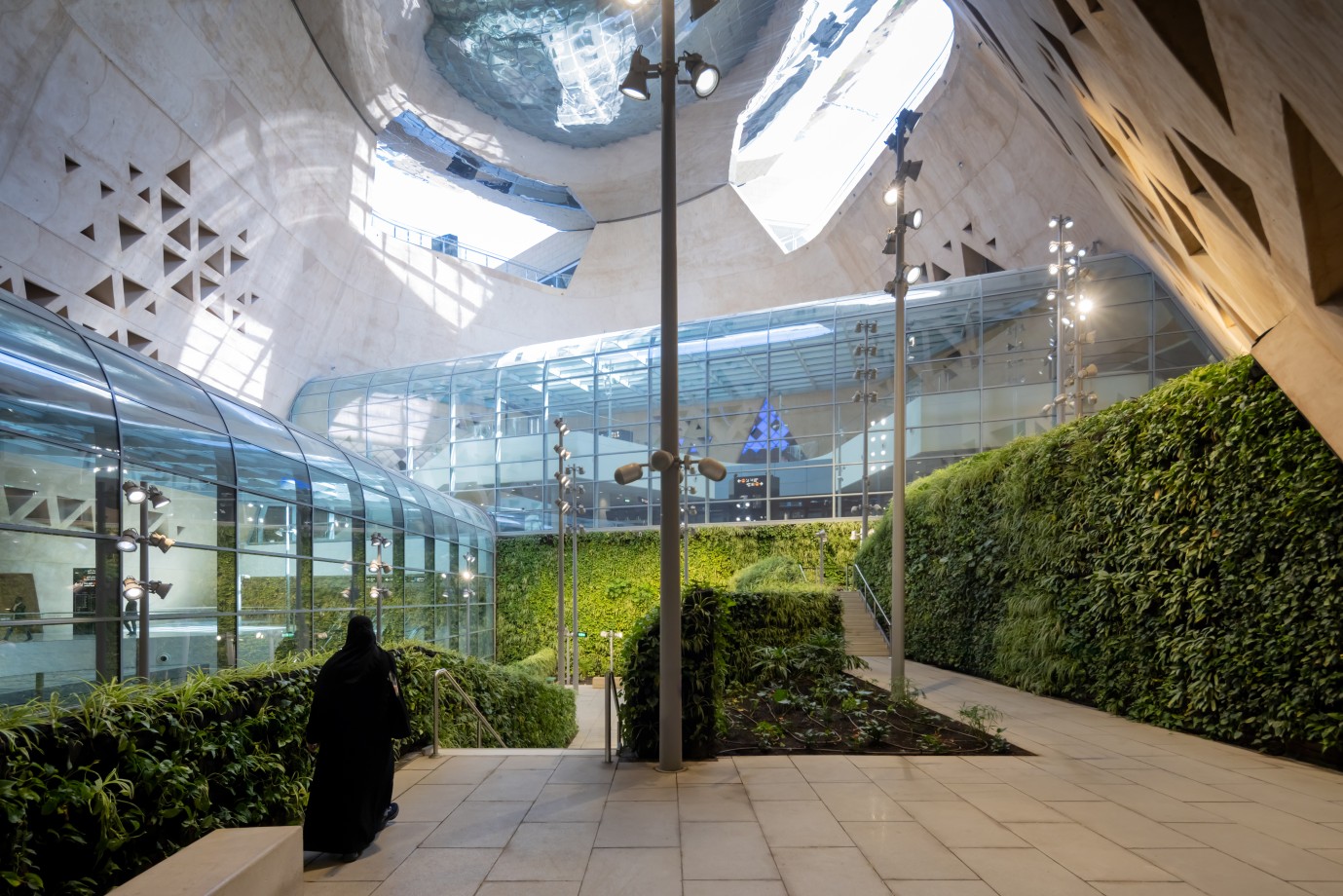
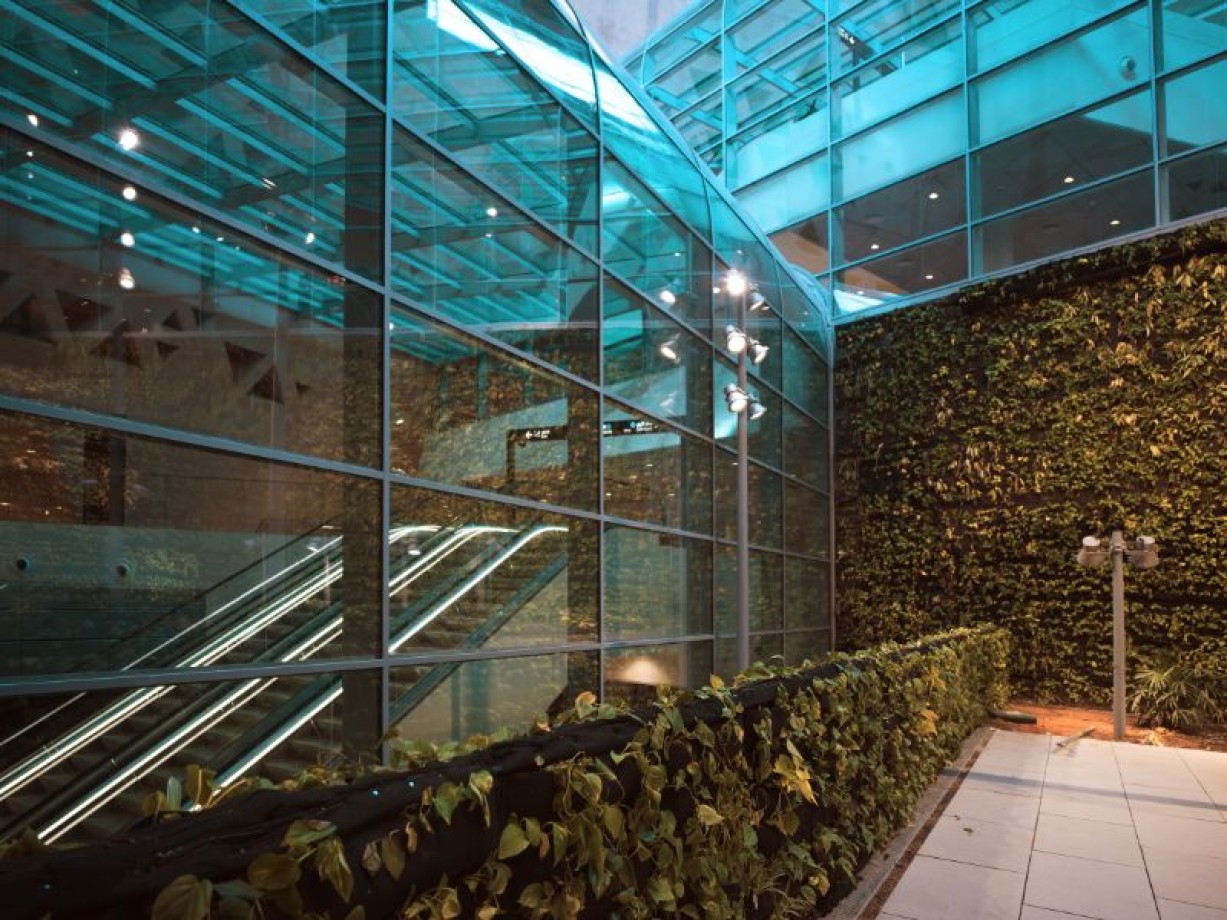
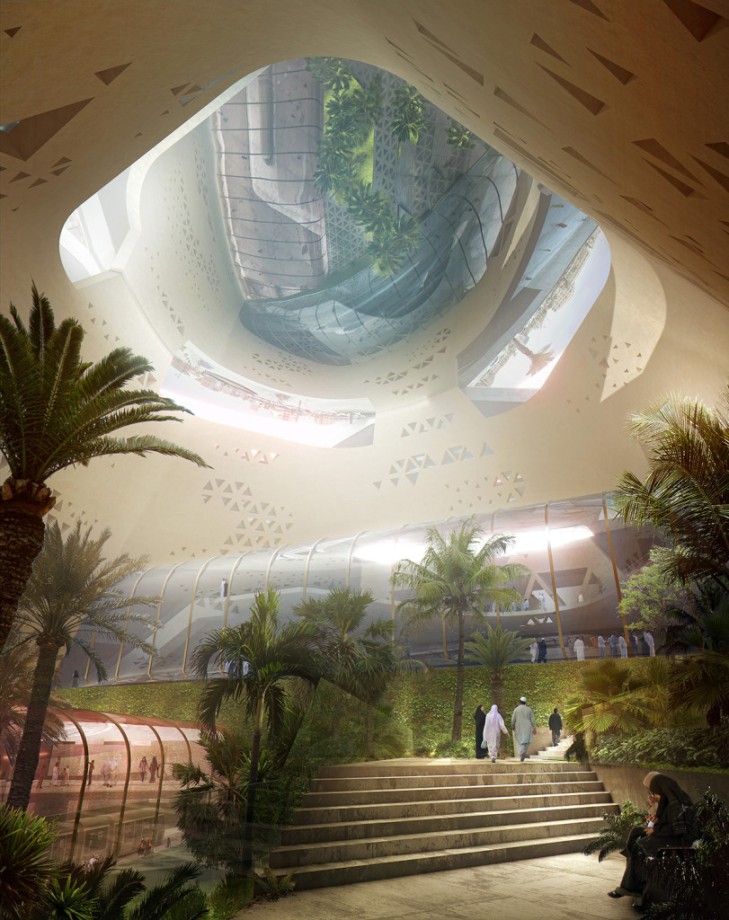
At the base of the atrium, an accessible, tempered garden emerges as an unexpected element. The garden can be accessed from the two lines and the transfer level, allowing passengers to relax in a shaded, green space while waiting for their train.
Located at the lowest station levels, around 35 meters below city level, the garden maintains a temperate environment even during the hot summer periods. Water for irrigation is collected from the paved plaza areas and canopy above.
Bringing public transport to Riyadh is a fantastic opportunity. This public metro station is open for everybody, men, women, rich or poor. It’s both an environmentally and a socially sustainable way of getting around the city. In addition, the plaza and garden are important public spaces, enriching the public realm in the surrounding communities and neighborhoods.
Other projects

San Pellegrino Flagship Factory